Getting Around
The M1, trams 4 and 6, the funicular, and a ticket you must validate before you travel, not after.
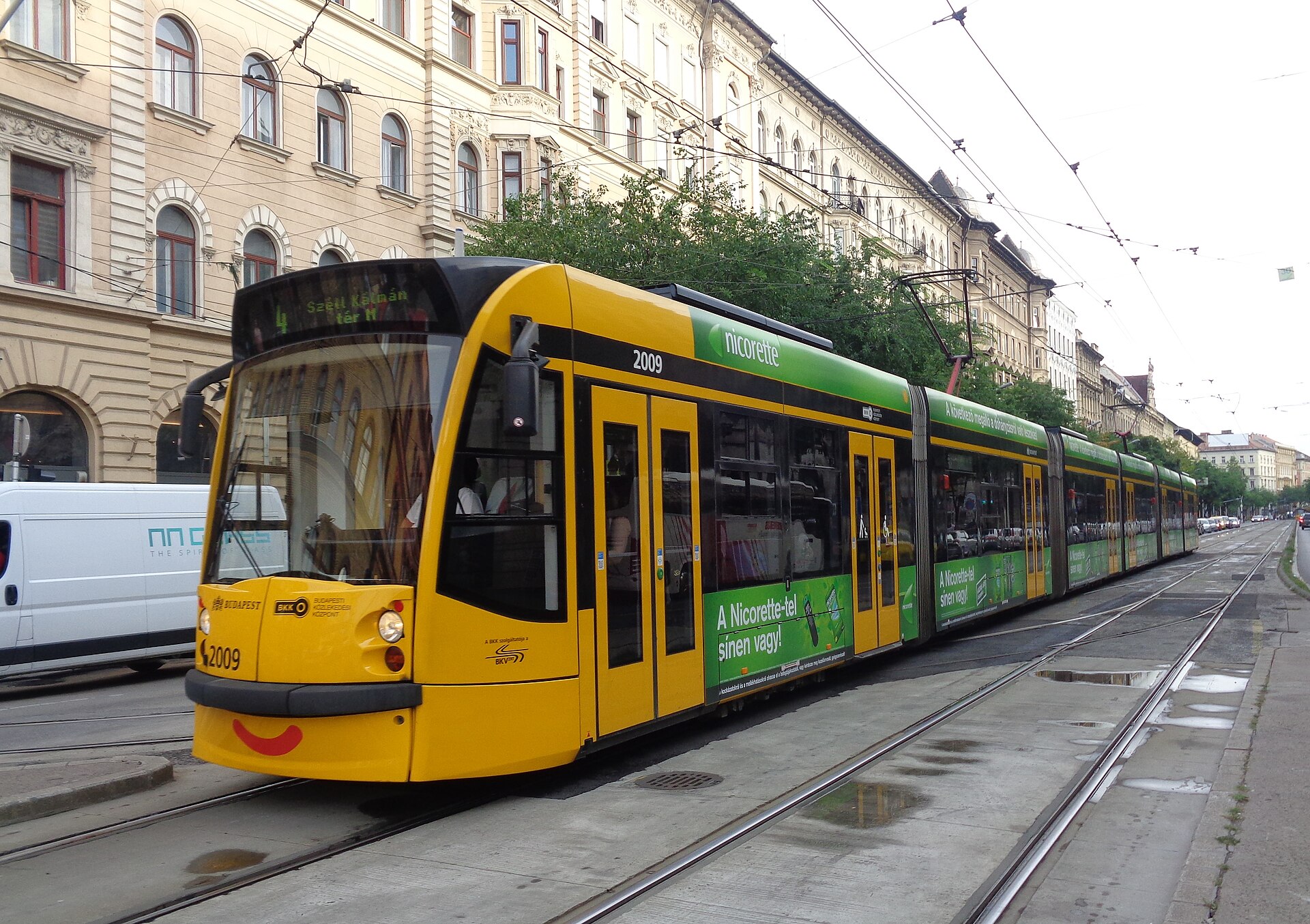

Budapest has four metro lines, an extensive tram network and a ticket system with one rule that catches visitors out constantly: a single ticket must be validated before you travel, in the machine at the metro entrance or on board the tram. An unvalidated ticket counts as no ticket, and inspectors work the metro barriers in numbers.
The lines worth knowing
M1, the yellow line, runs shallow under Andrassy Avenue and is a sight in its own right — it opened in 1896 and is the oldest electrified underground on the continent. M2 (red) and M3 (blue) do the heavy lifting across the centre; M4 (green) serves the south of Pest and Buda. Trams 4 and 6 run the Nagykorut ring almost around the clock and are the most useful surface route in the city. Tram 2 runs the Pest embankment past Parliament and is the cheapest sightseeing you will do.

Passes, and when they are worth it
Singles, a book of ten, and 24-hour, 72-hour and weekly travelcards all exist. The arithmetic is simple: a travelcard pays for itself somewhere around the fourth or fifth journey of the day, so it depends entirely on whether you plan to walk the centre or criss-cross it. Buda's funicular up to the castle is not covered by any of them — it charges its own fare. The bus up the same hill is covered.
Checked on 4 September 2026 against published sources. Fares, hours and closing days change without much warning — confirm before you travel.

.jpg)
This section is being written. The guide above is the section for now. New articles are published across the site about twice a week rather than a section being filled in a day, so this page grows steadily — it is worth looking in again. In the meantime the sixteen sight pages and the plans by trip length are finished, and they are the best place to start.
Coming next in this section
- How a Budapest transport ticket works, and why you must validate it
- Budapest travelcards: when a 24-hour or 72-hour pass pays for itself
- Getting from Budapest airport to the centre, cheaply and otherwise
- The M1: riding the oldest underground on the continent