Landmarks & Sights
Parliament, the Bastion, the Basilica and the bridges — what is free, what is ticketed, and what time the crowd arrives.
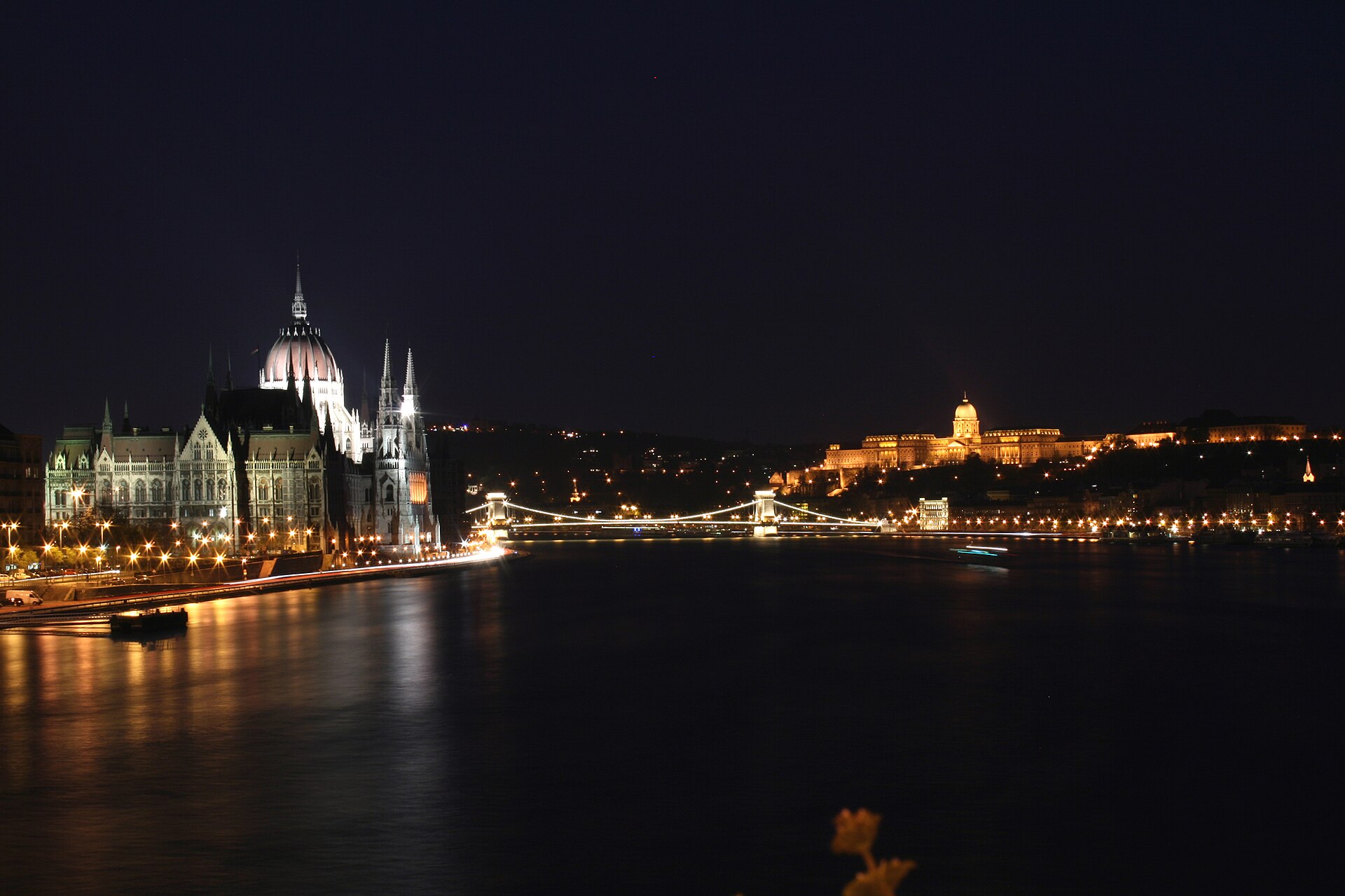

We write about sights as practical questions — what costs money, what is free, which entrance, and when the crowd arrives — rather than as history you can read anywhere.
Budapest's rule has three parts, not two. The streets, the bridges and the squares are free. You pay to go inside, to go up — and, uniquely here, to go in the water. That third one is what makes a Budapest budget behave differently from Prague's or Vienna's: eating and drinking are cheap, and the bath house is not.
Free, and worth the walk
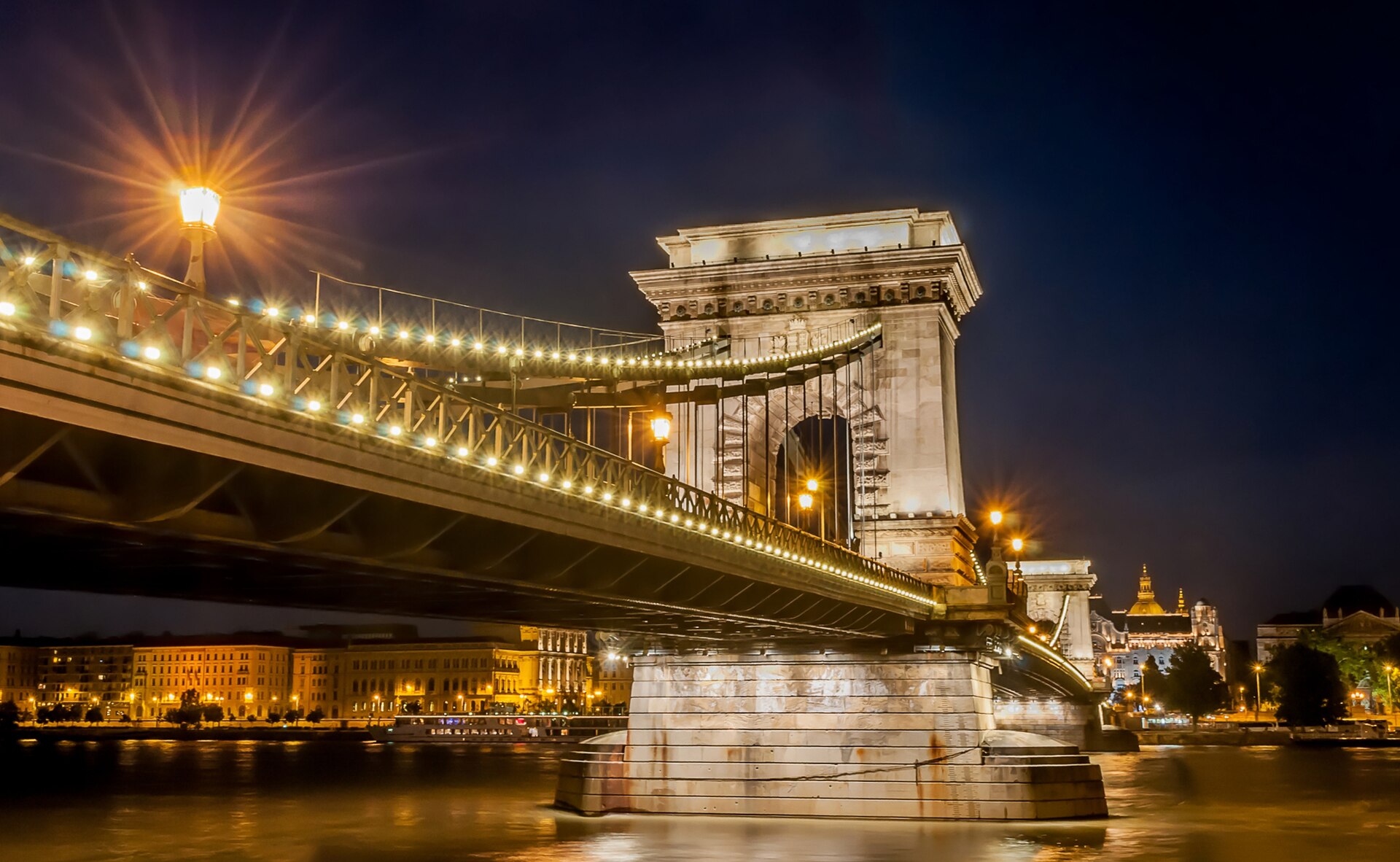 The Szechenyi Chain BridgeBetween Buda and Pest
The first permanent bridge between the two halves of the city, free to walk, and best after dark.
Photograph by Wilfredor, Wikimedia Commons, CC0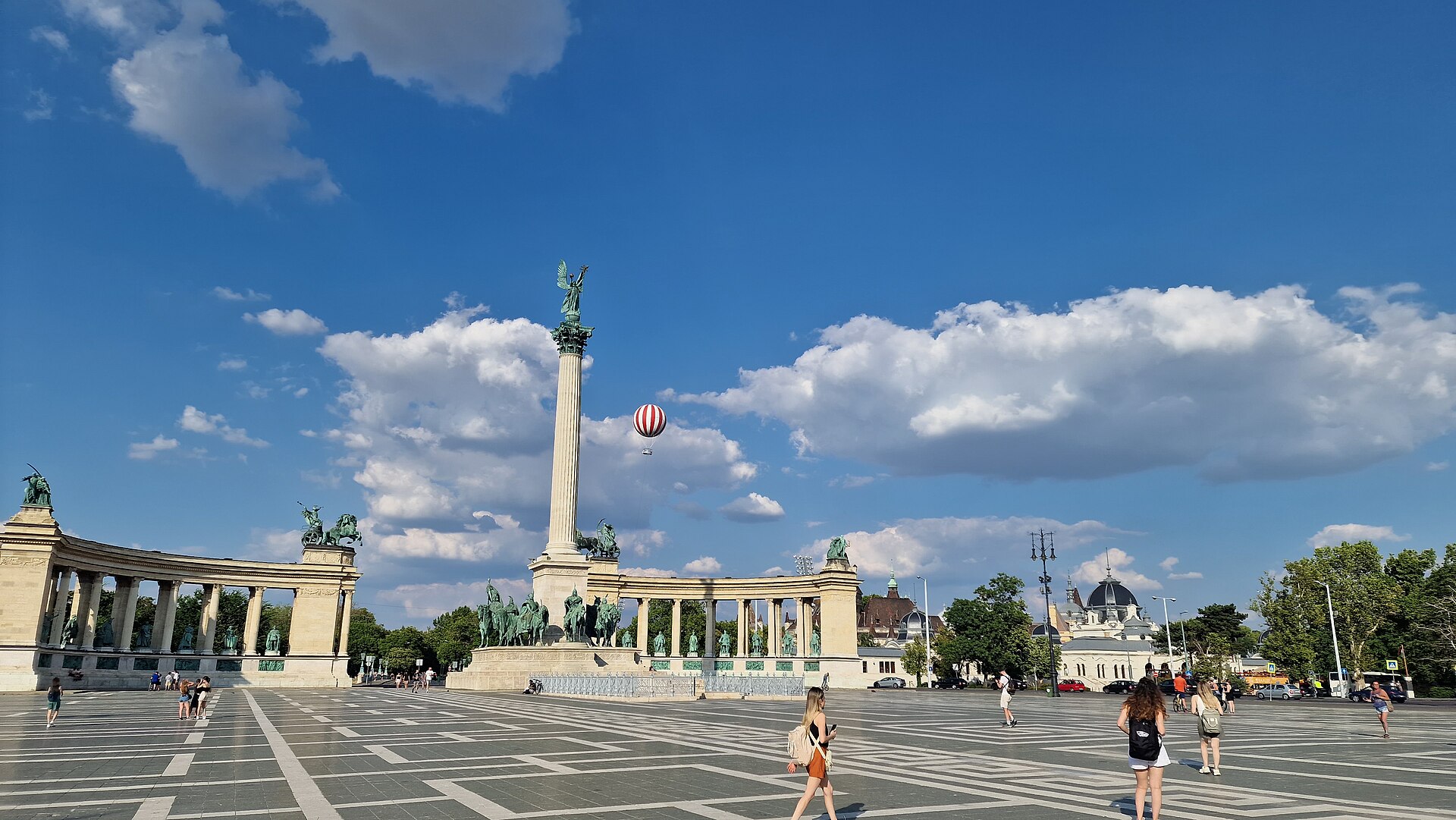 Heroes' SquareEnd of Andrassy Avenue, Pest
The ceremonial full stop at the end of Andrassy Avenue — free, enormous, and flanked by two ticketed museums.
Photograph by FrogsLegs71, Wikimedia Commons, CC BY-SA 3.0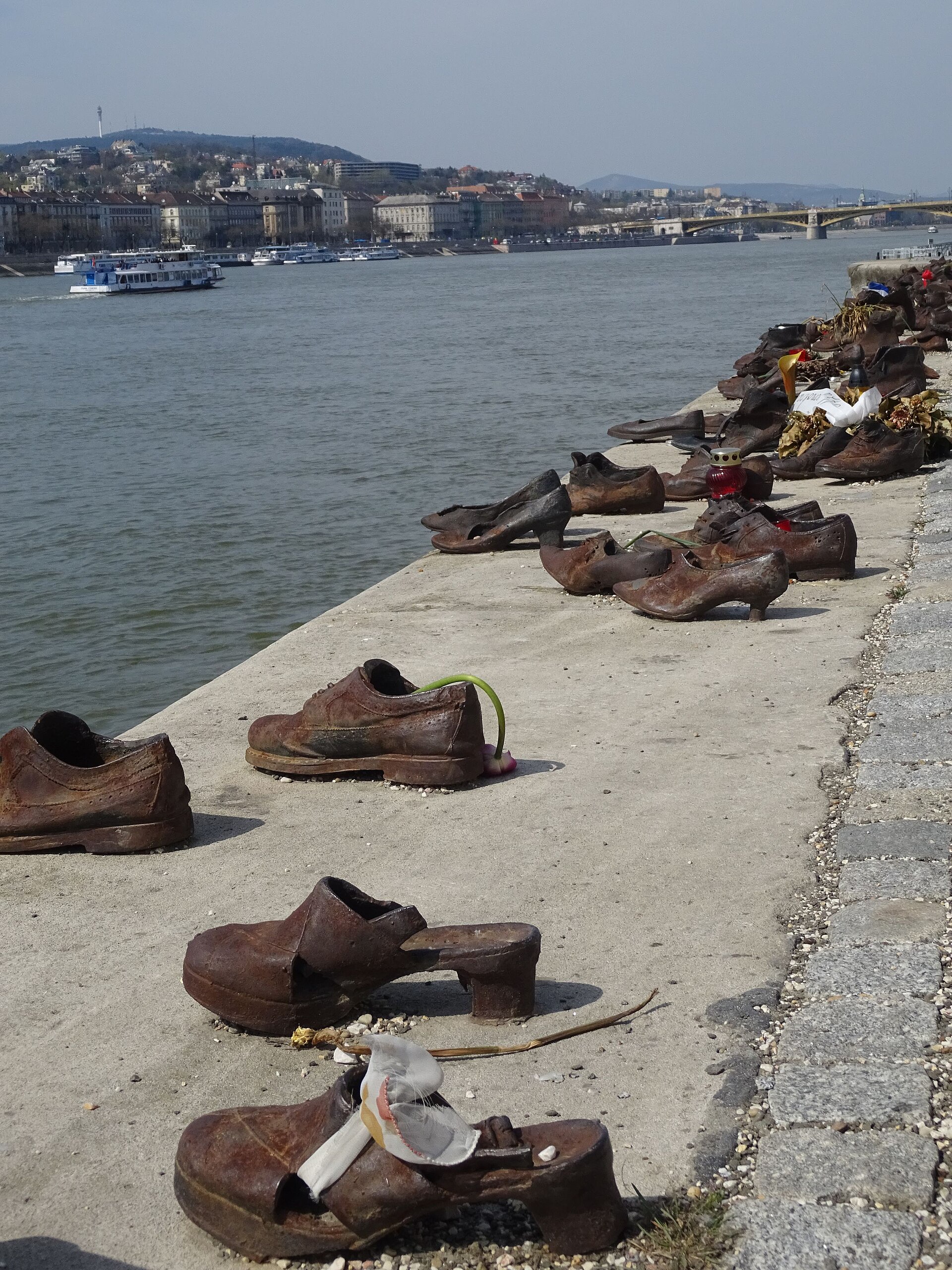 Shoes on the Danube BankPest embankment, near Parliament
Sixty pairs of iron shoes on the embankment. Free, always open, and not a photo stop.
Photograph by VillageHero from Ulm, Germany, Wikimedia Commons, CC BY-SA 2.0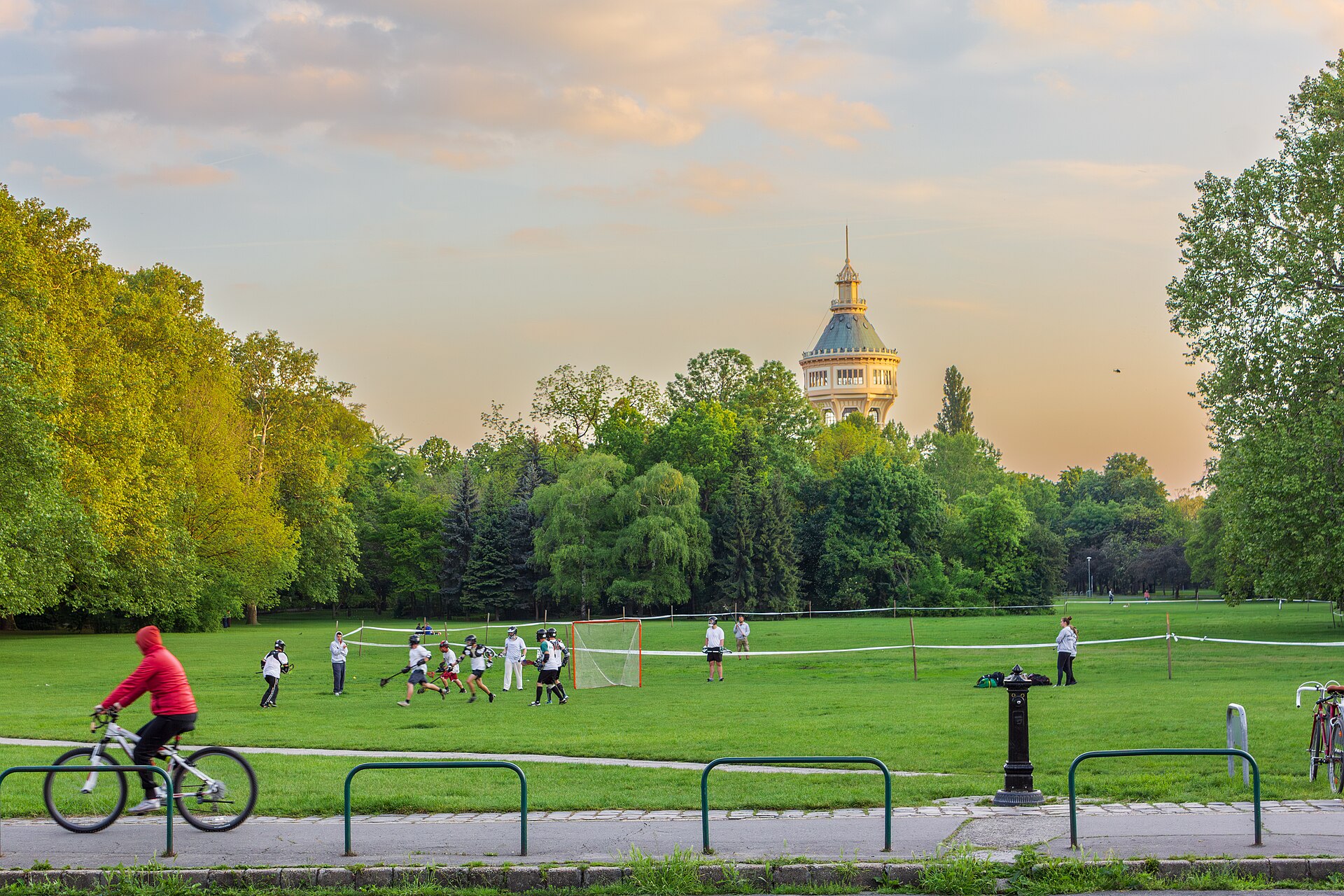 Margaret IslandIn the Danube, between Margaret and Arpad bridges
A car-free park in the middle of the river — free, large, and the answer to a hot afternoon or a day when the centre is full.
Photograph by Perituss, Wikimedia Commons, CC0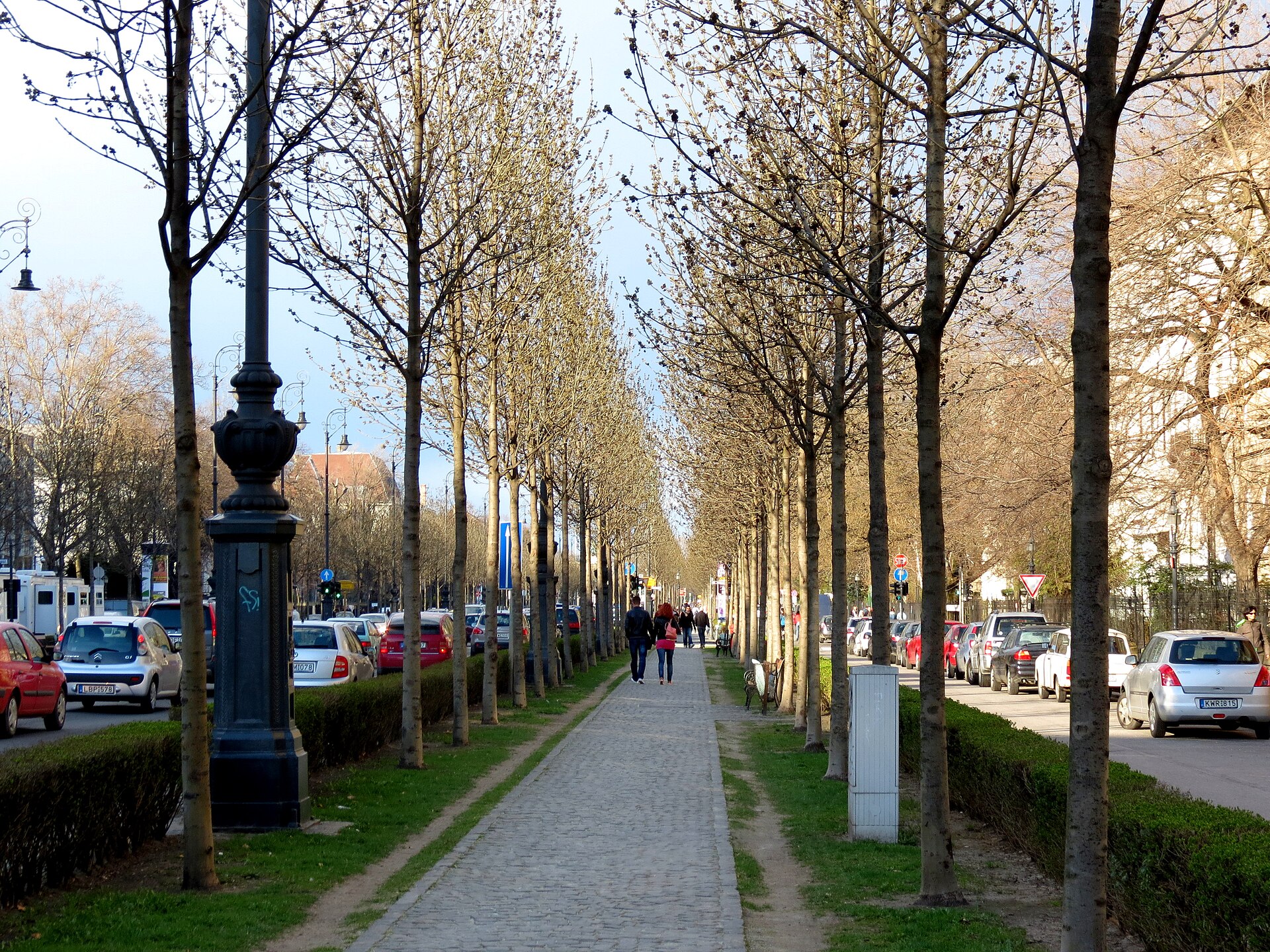 Andrassy AvenueDeak Ferenc ter to Heroes' Square
A two-and-a-half kilometre boulevard with Europe's oldest continental underground running beneath it — and the walk is free.
Photograph by xorge, Wikimedia Commons, CC BY-SA 2.0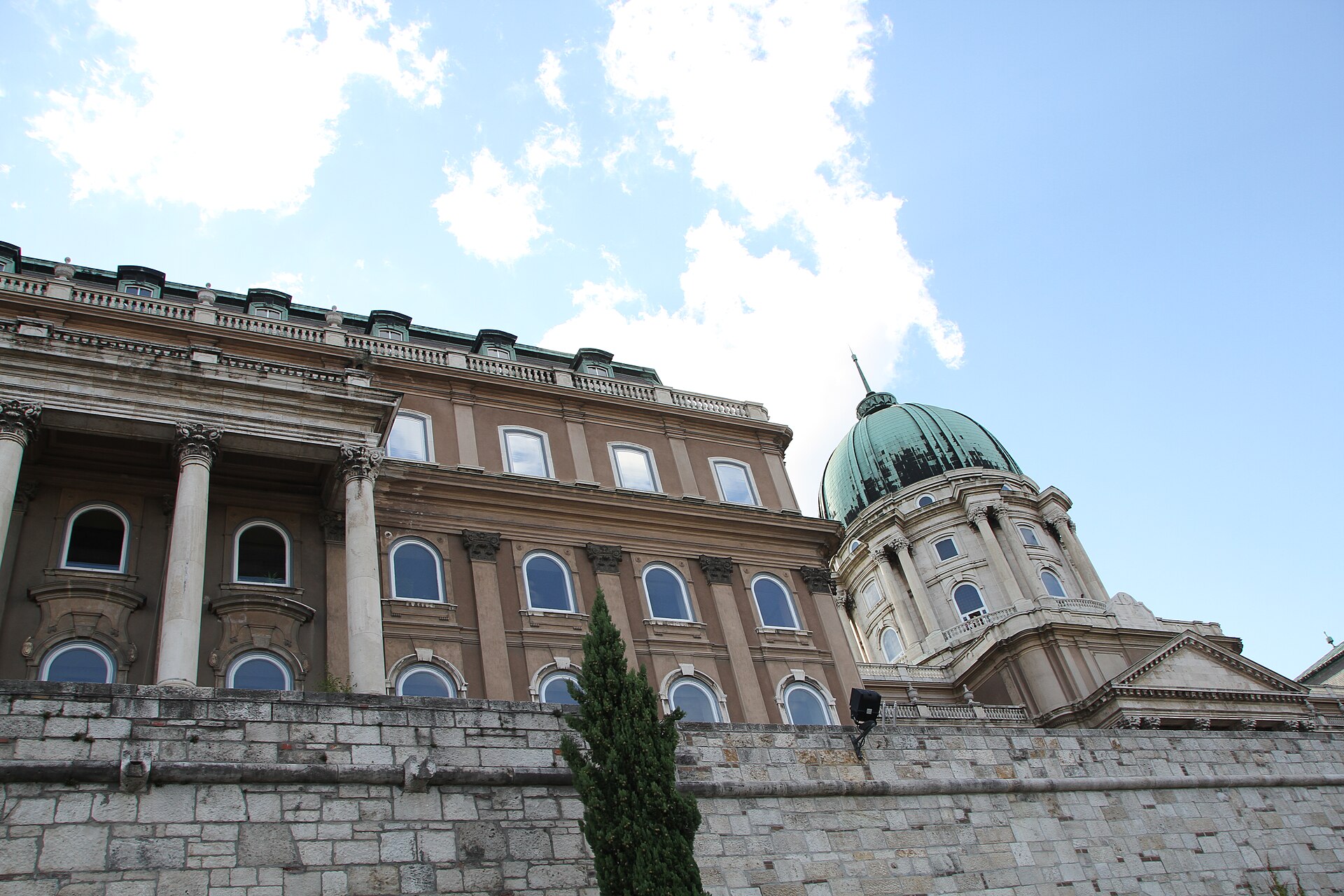 Buda CastleCastle Hill, Buda
A palace, a district and a hill — and, as at most castles in this part of Europe, the walking is free and the going-inside is not.
Photograph by Bjoertvedt, Wikimedia Commons, CC BY-SA 4.0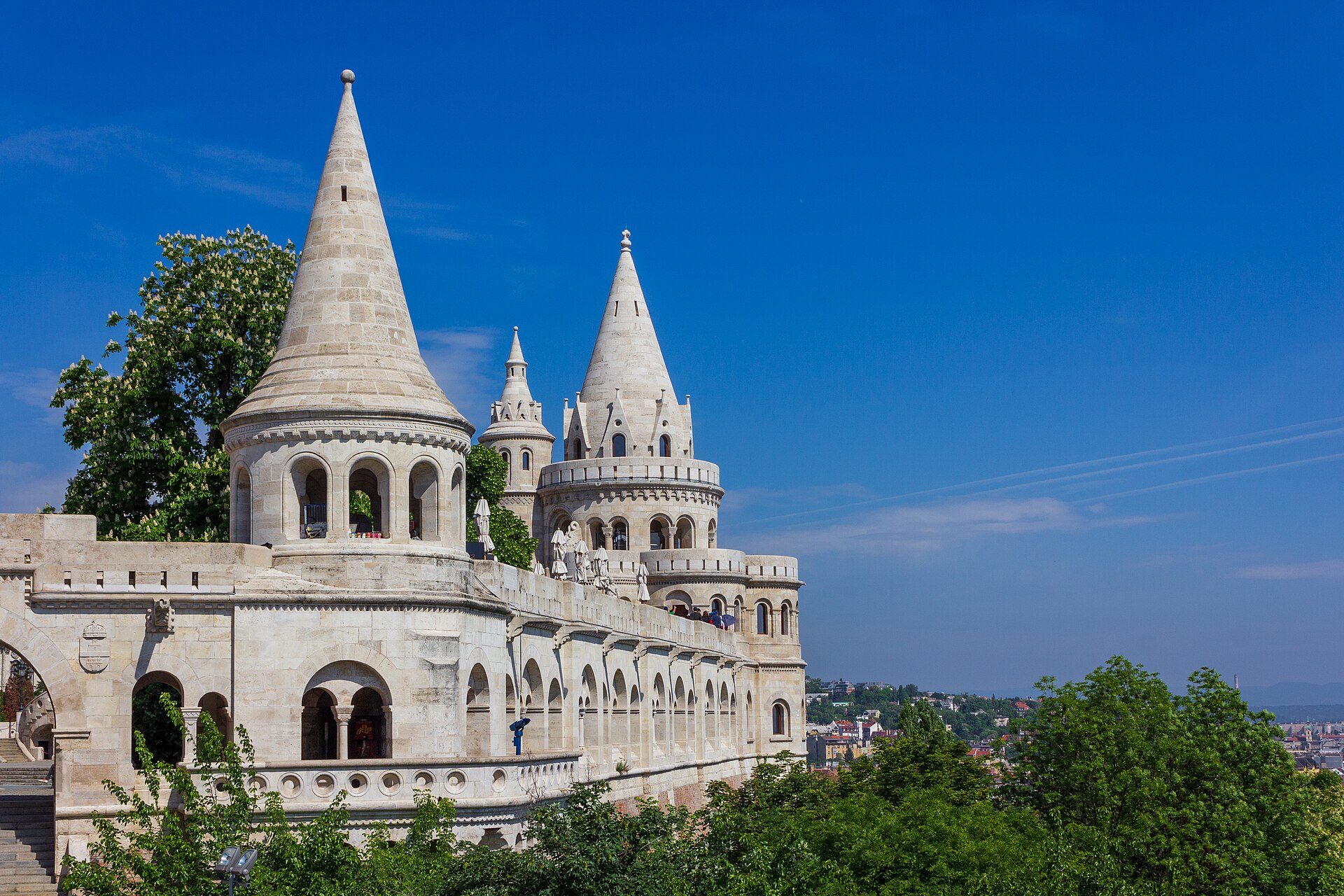 Fisherman's BastionCastle Hill, beside Matthias Church
The white fairytale terrace with the best framed view in Budapest — and a ticket you can usually avoid entirely by turning up early.
Photograph by Perituss, Wikimedia Commons, CC0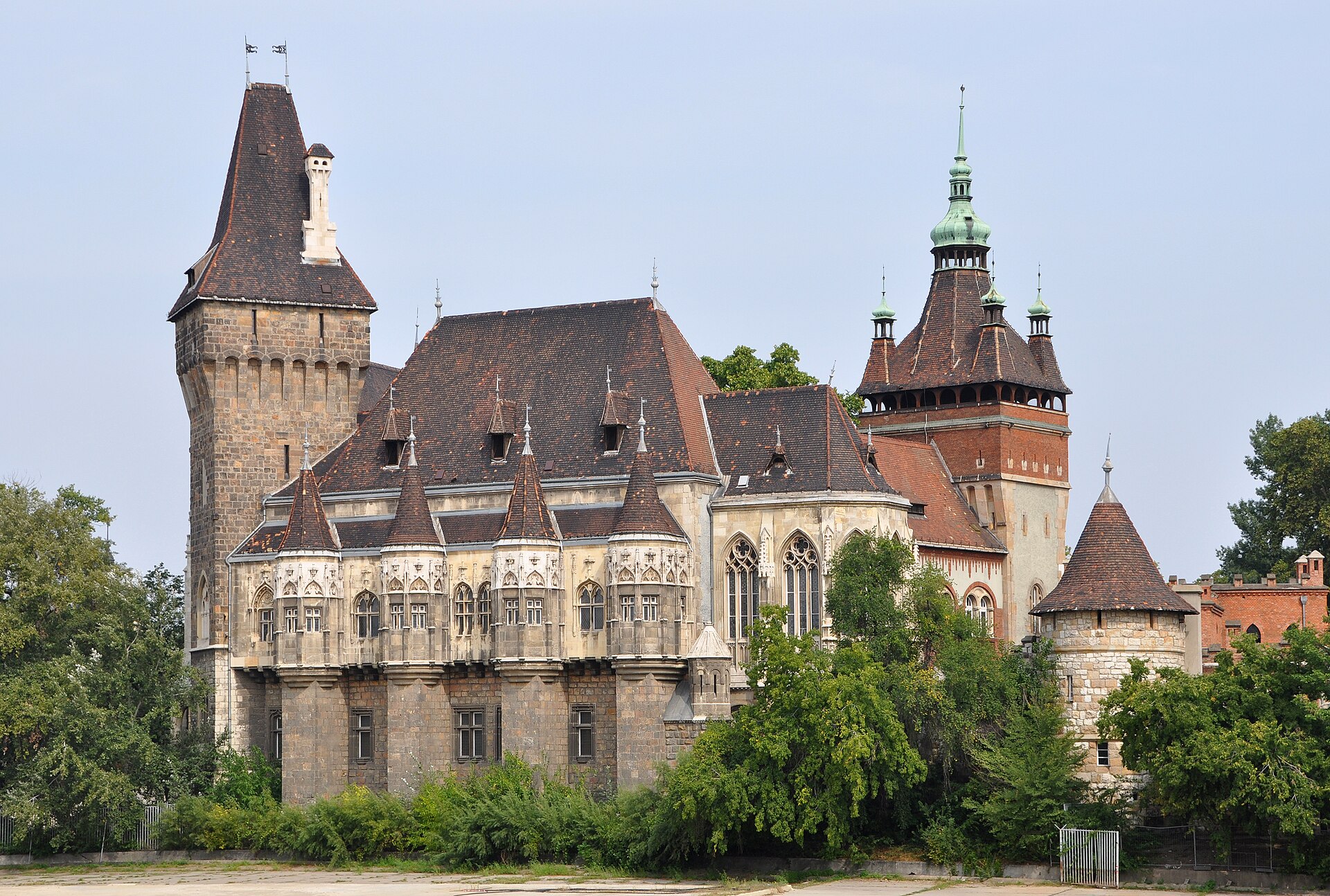 Vajdahunyad CastleCity Park, behind Heroes' Square
A castle that is not a castle, in a park behind Heroes' Square — free to walk around, and one of the quietest good things in Budapest.
Photograph by Marc Ryckaert (MJJR), Wikimedia Commons, CC BY 3.0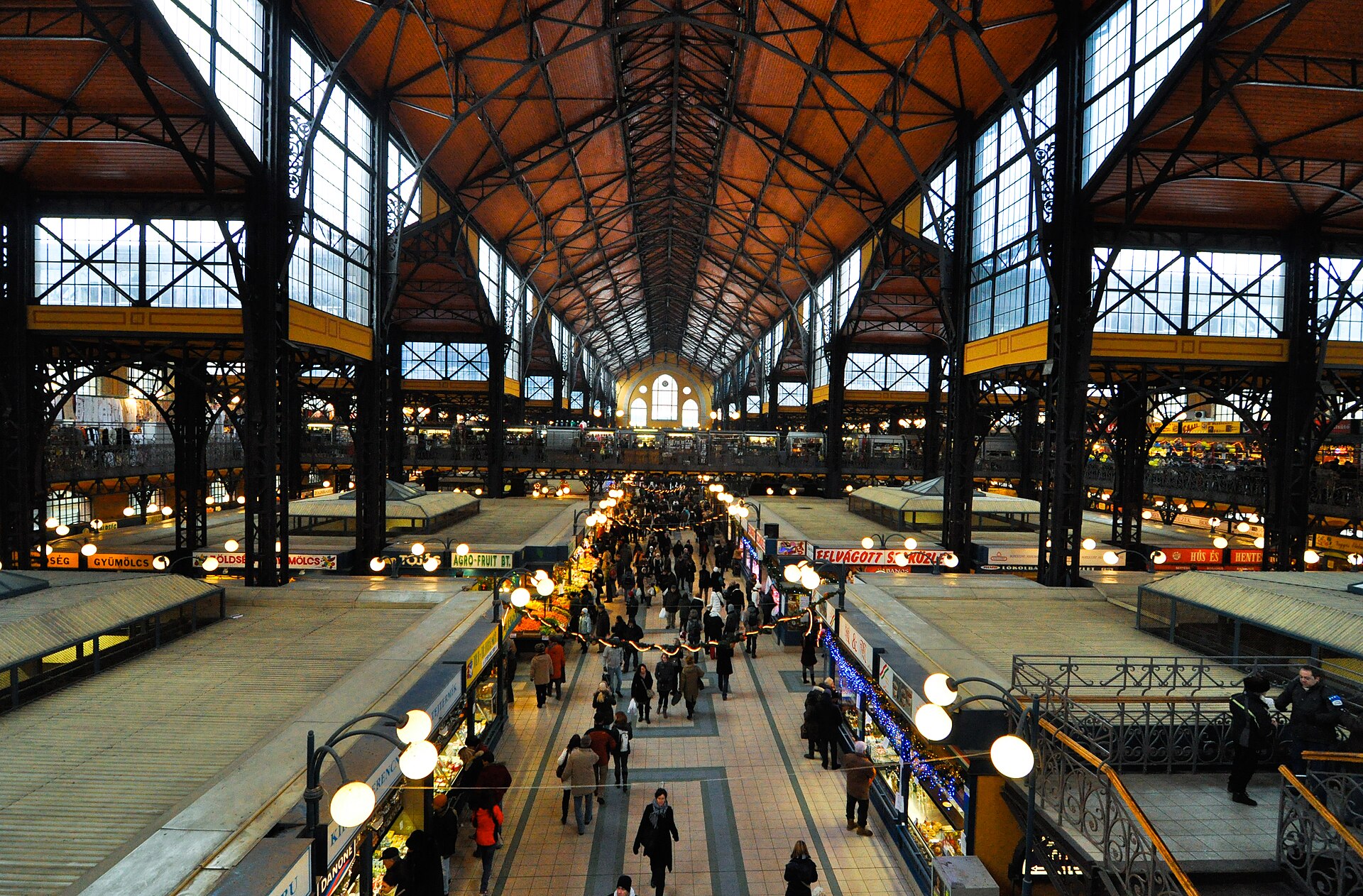 The Great Market HallFovam ter, at the Pest end of Liberty Bridge
Free to walk into, genuinely used by locals on the ground floor, and squarely aimed at visitors on the one above.
Photograph by Dd-ang2s, Wikimedia Commons, Public domain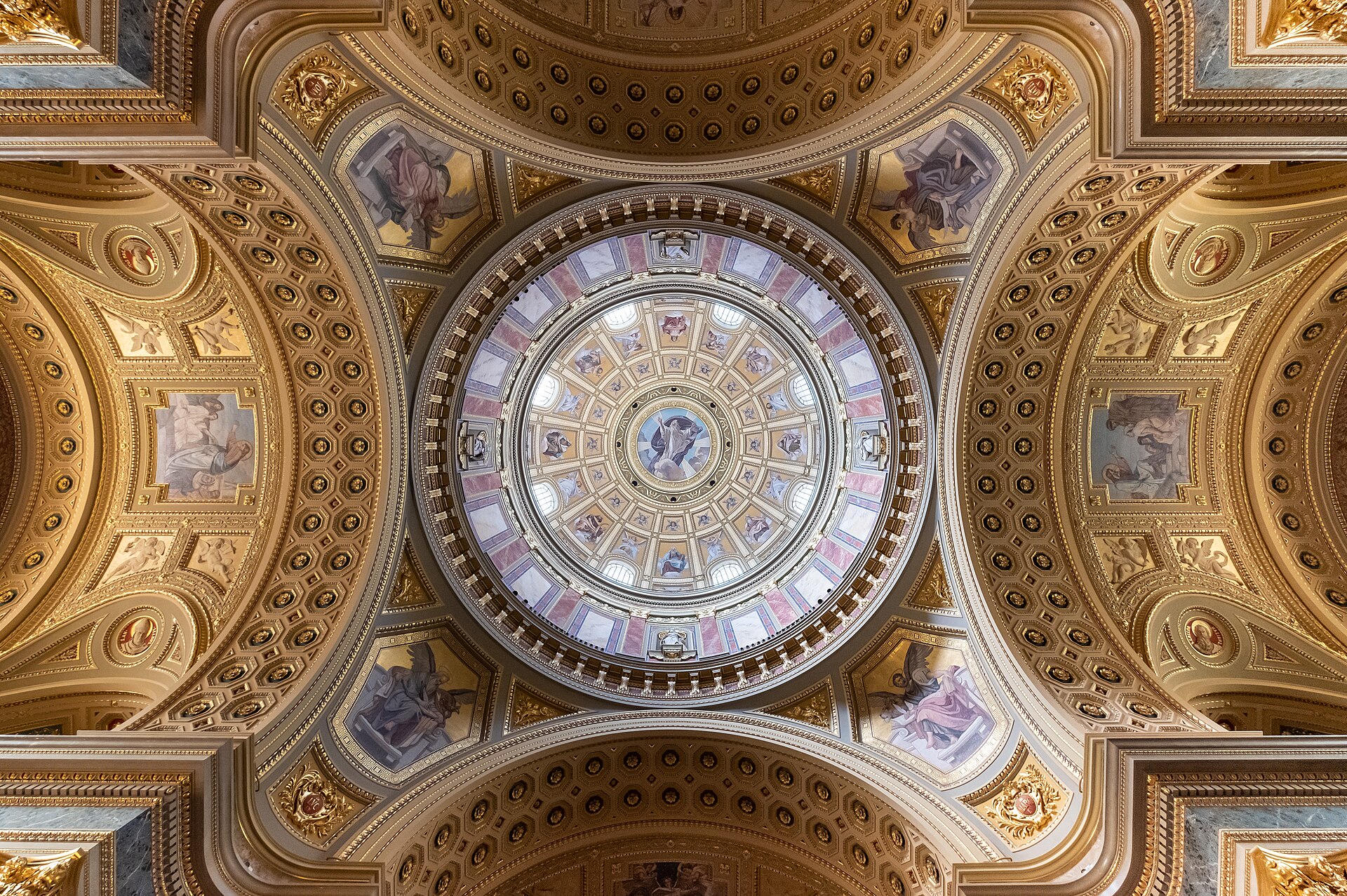 St Stephen's BasilicaSzent Istvan ter, Pest
The biggest church in Budapest, a donation at the door, and a panorama terrace that is the easiest good view in the city.
Photograph by Jules Verne Times Two, Wikimedia Commons, CC BY-SA 4.0Worth paying for
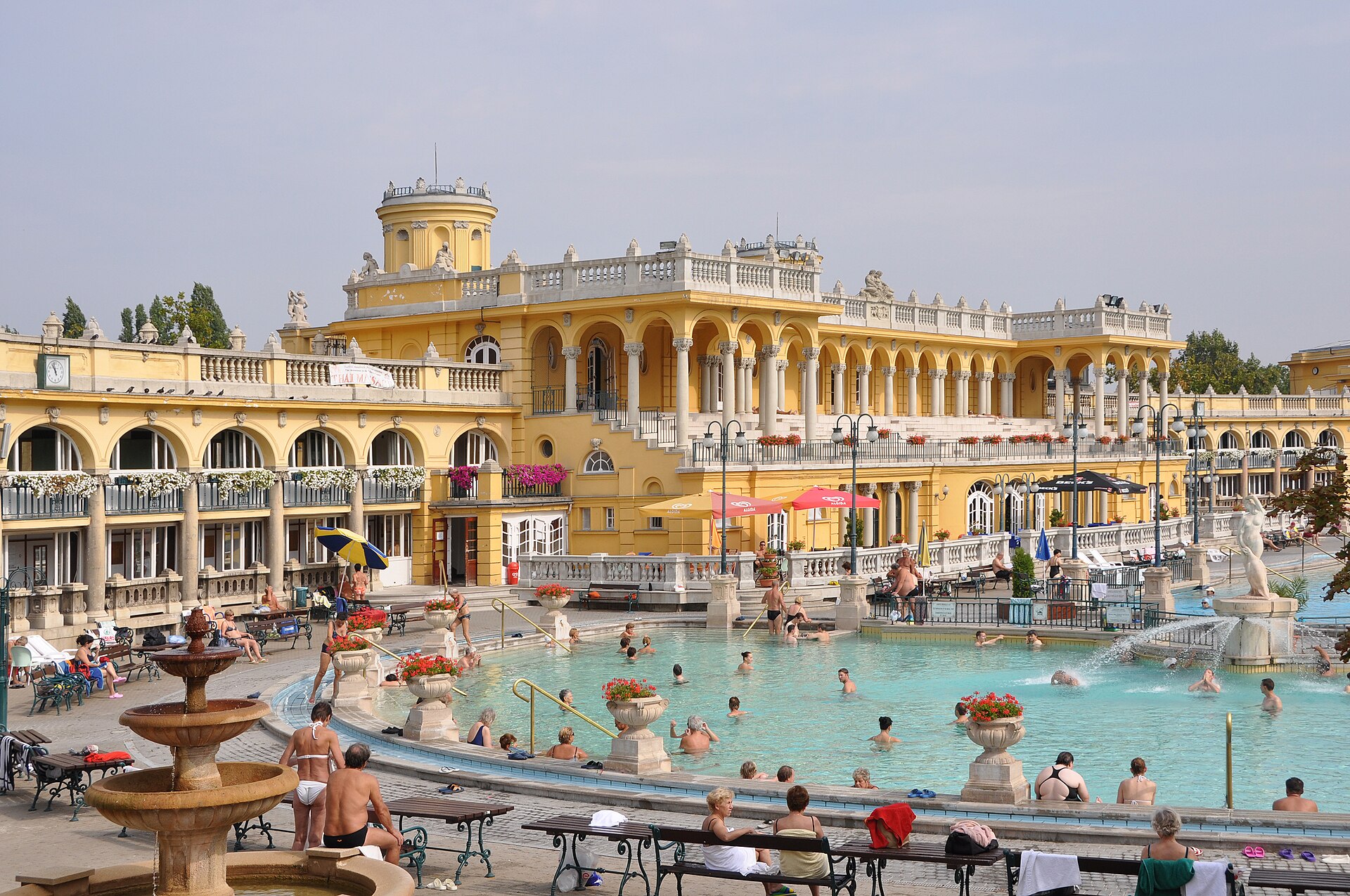 Szechenyi Thermal BathsCity Park, Pest
The yellow palace full of hot water, open in the snow, and the single line in a Budapest budget that behaves like a western European attraction.
Photograph by Marc Ryckaert (MJJR), Wikimedia Commons, CC BY 3.0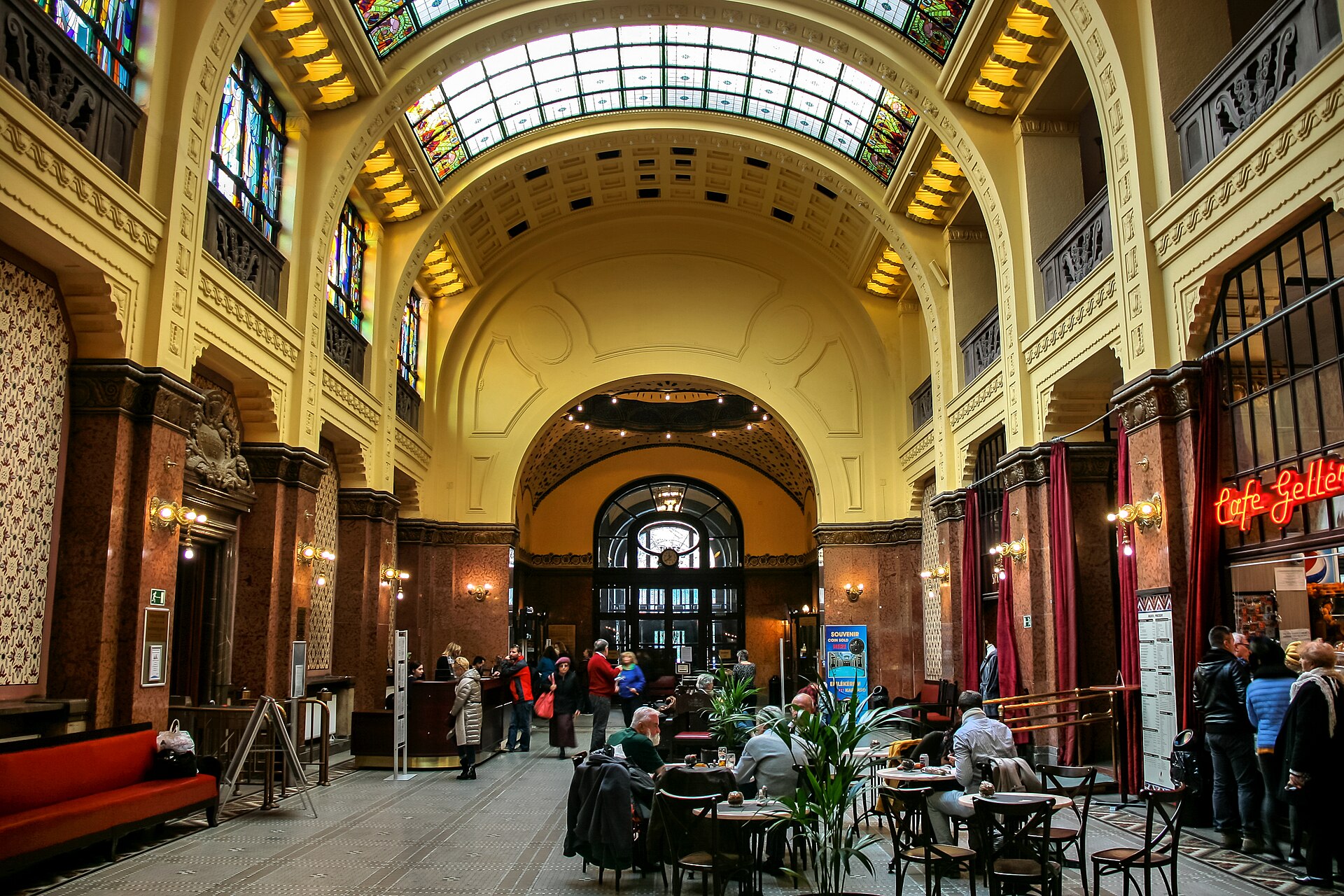 Gellert BathsBuda side, at the foot of Gellert Hill
The other great bath house, and the more beautiful one — Art Nouveau, tiled, and considerably smaller than Szechenyi.
Photograph by Jorge Franganillo from Barcelona, Spain, Wikimedia Commons, CC BY 2.0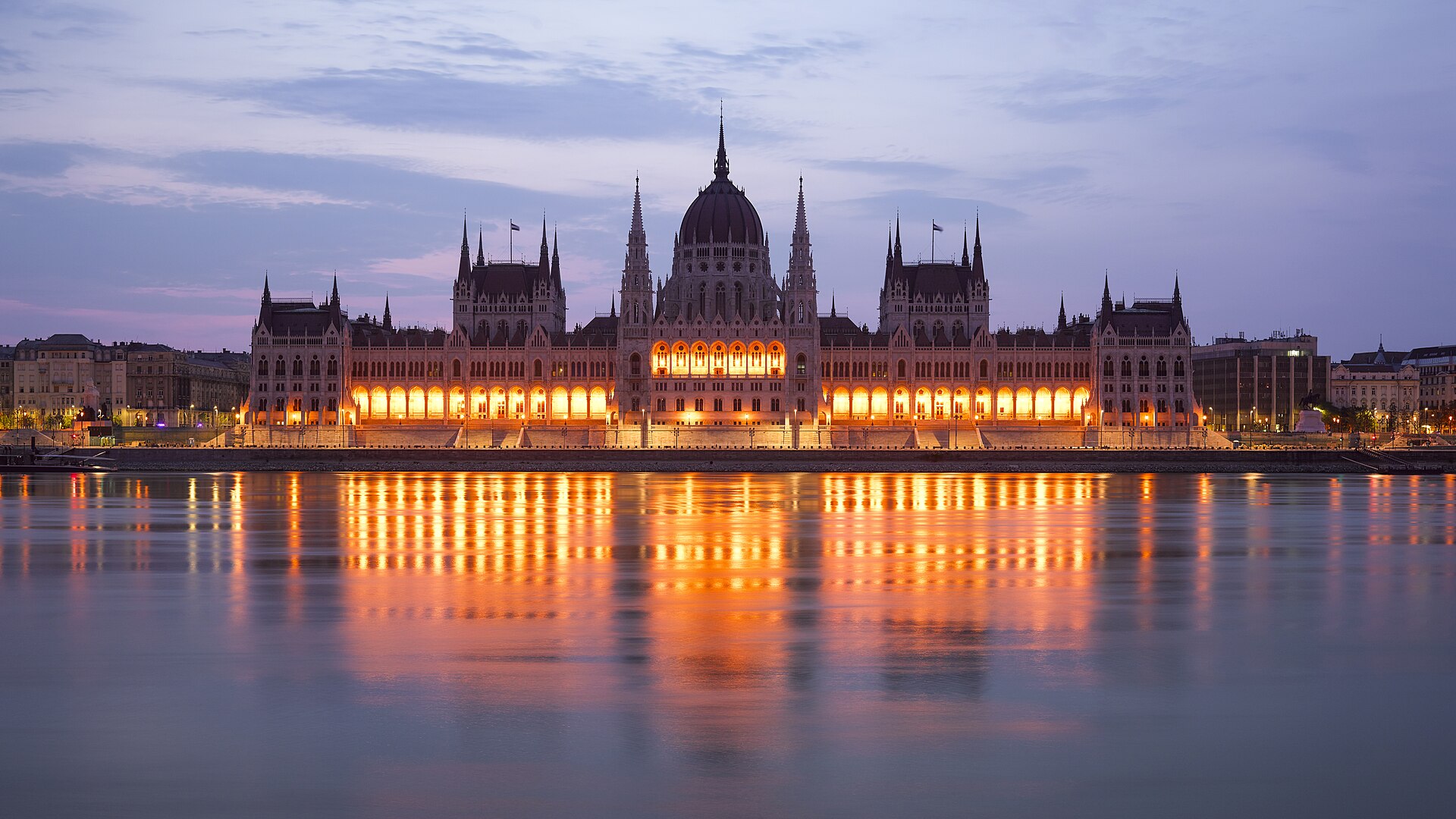 The Hungarian ParliamentKossuth ter, Pest bank
The building on every postcard, and one you cannot simply walk into — it is sold as a guided tour with a timed slot, and the slots go.
Photograph by Godot13, Wikimedia Commons, CC BY-SA 4.0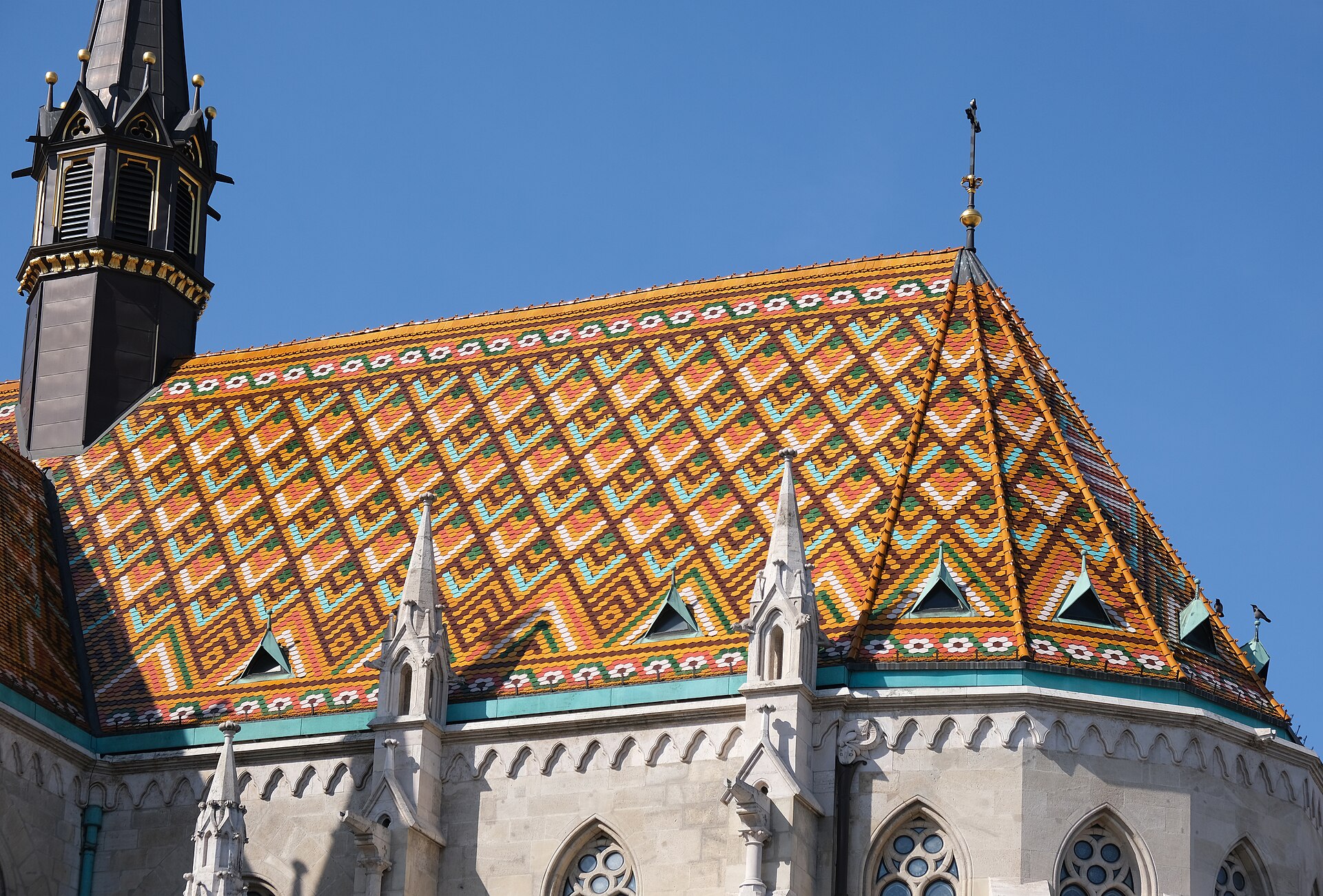 Matthias ChurchCastle Hill, Buda
The tiled roof everyone photographs from the Bastion next door, and an interior unlike any other church in the city.
Photograph by kallerna, Wikimedia Commons, CC BY-SA 4.0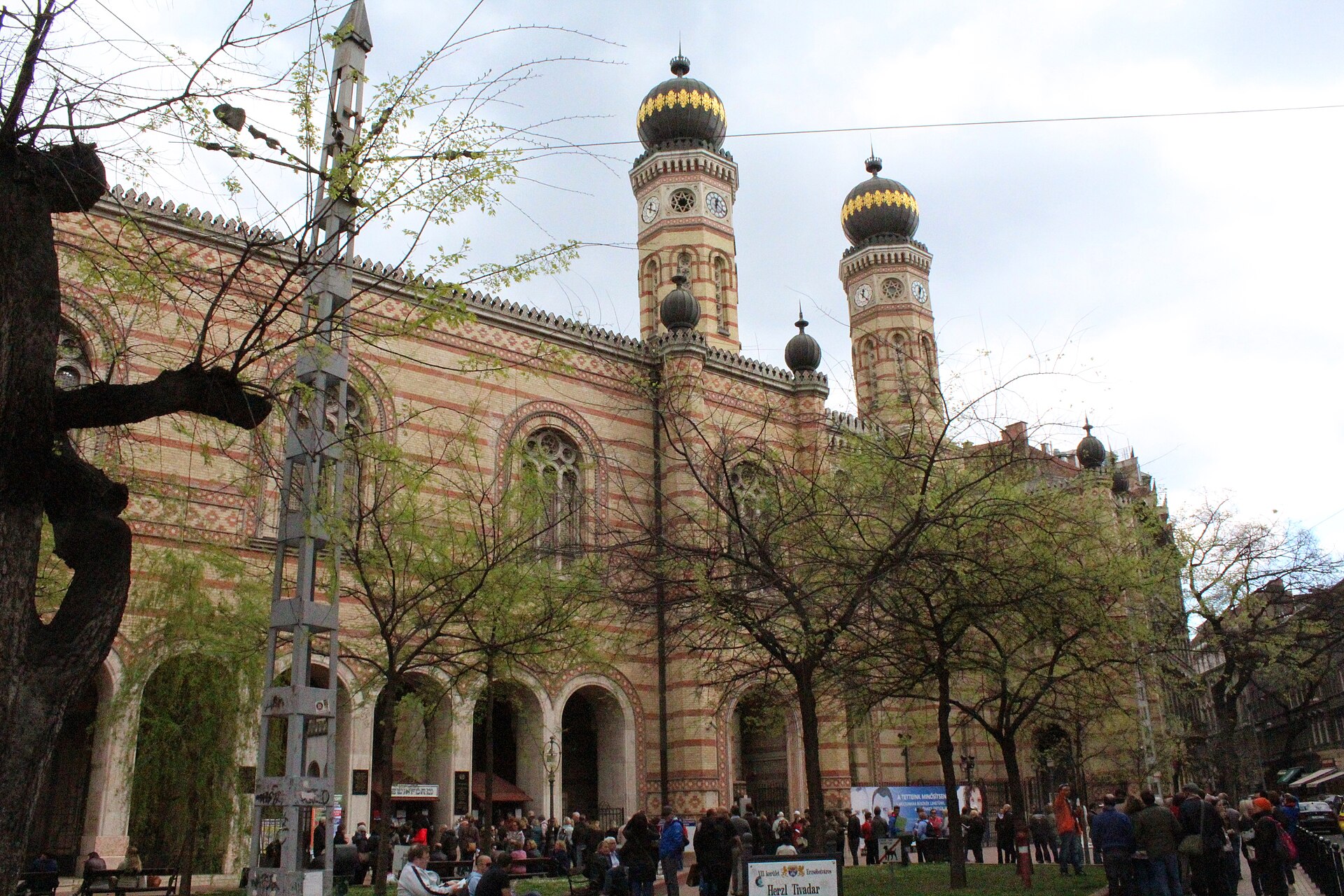 Dohany Street SynagogueDistrict VII, the Jewish Quarter
The largest synagogue in Europe, and a single ticket that covers rather more than the building itself.
Photograph by Nelson Pérez, Wikimedia Commons, CC BY-SA 3.0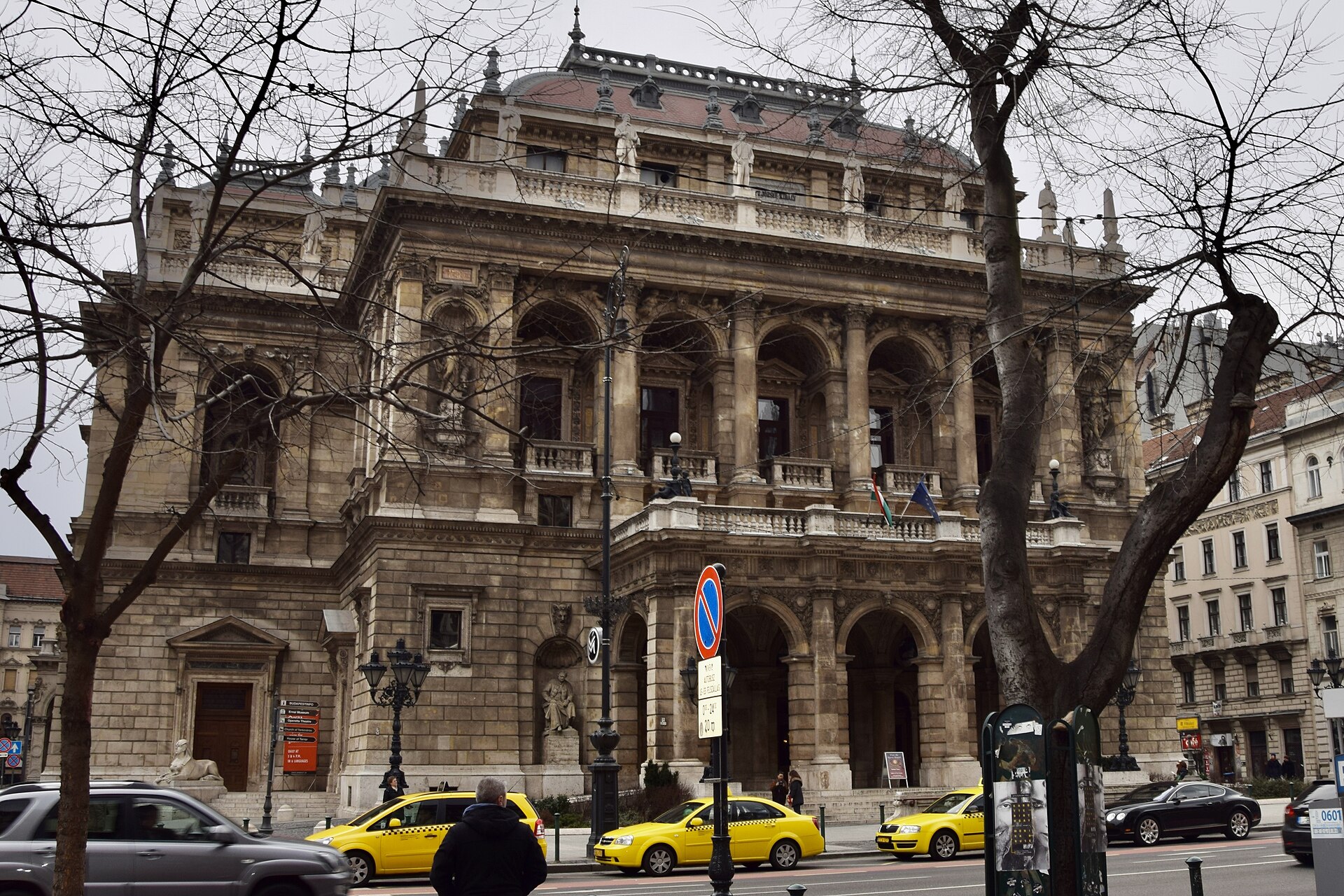 The Hungarian State Opera HouseAndrassy Avenue, Pest
Free to admire, ticketed to tour, and startlingly cheap to actually sit in — which is the option most visitors never consider.
Photograph by Ank Kumar, Wikimedia Commons, CC BY-SA 4.0How to plan a day around them
Three rules do most of the work. Castle Hill is a hill — take bus 16 or the funicular up and walk down, never the reverse. The Bastion is free before the ticket booth opens, which is the single most useful piece of timing in Buda. And the baths are a half-day, not an hour — plan one around them rather than squeezing them between two other things.
Plans by trip length are in Itineraries & Day Plans; which bath suits which day is in Thermal Baths & Spas; and the crowd calendar is in Planning & Practicalities.
Ticket arrangements and opening hours as published for 2026 and checked on 4 September 2026. These change without much warning — confirm with the institution before you travel.
This section is being written. The guide above is the section for now. New articles are published across the site about twice a week rather than a section being filled in a day, so this page grows steadily — it is worth looking in again. In the meantime the sixteen sight pages and the plans by trip length are finished, and they are the best place to start.