A city built on hot water, and priced unlike its neighbours
Budapest runs on rules a visitor meets on day one — a currency that is not the euro, districts written in Roman numerals, and a bath house that charges differently on a Saturday. We write what is checkable, name the office that decides it, and date every figure.
Spring count and district numbering: City of Budapest. The Millennium Underground
opened in 1896 and Buda, Pest and Obuda were joined in 1873. Checked 4 September 2026.
Budapest in briefBuda · Pest · Hungary
Budapest is the capital of Hungary and a city of about 1.7 million people, split by the Danube into two halves that behave quite differently: Buda is hilly, green and quiet on the west bank, Pest flat, dense and busy on the east. They were separate towns until 1873, when Buda, Óbuda and Pest were merged into one city. The river banks, Castle Hill and Andrássy Avenue are a UNESCO World Heritage Site.
The Romans held a town called Aquincum on the Buda side. A Hungarian kingdom formed here in the tenth century; the Ottomans took the city in 1541 and held it for about a hundred and fifty years, which is where the bathing culture comes from. Almost everything a visitor photographs, though, is younger than that: after the 1867 compromise created Austria-Hungary, a fifty-year boom built the Parliament, the boulevards, and in 1896 the first underground railway on the European mainland. The city was besieged and largely wrecked in the winter of 1944–45, and rose against Soviet rule in 1956.
It is known for its thermal baths — the city sits on more than a hundred thermal springs, which is why the water is the one thing here you cannot do anywhere else — for the Parliament and the Chain Bridge lit at night, for ruin bars in the old Jewish quarter, for paprika, and for costing noticeably less than Vienna, ninety minutes up the river.
Country
Hungary. Budapest is the capital and by a long way the largest city.
Language
Hungarian, which is related to almost nothing else in the region and which you will not guess your way through. English is common in the centre.
Currency
The Hungarian forint (HUF) — not the euro, despite Hungary being in the EU. Refuse dynamic currency conversion and avoid the airport exchange desks.
Time zone
Central European Time, UTC+1 — and UTC+2 from late March to late October.
Population
About 1.7 million in the city; roughly 2.5 million across the metropolitan area.
Arriving
Budapest Ferenc Liszt Airport (BUD) is about 16 km southeast and has no rail link; the 100E airport bus is the direct option. Getting here →
Stations
Keleti takes most international trains, with Nyugati and Déli handling the rest. All three are on the metro.
When to come
April to June and September to October. The baths are open year-round and are at their best in cold weather. Plans by trip length →
Buda, Óbuda and Pest were merged in 1873. The Millennium Underground opened in 1896 and was the first on the European mainland. Checked 5 September 2026. Nothing here carries a price or a fare — those live on the
pages that keep them current.
Sixteen sights, and what each one costs
The streets and the bridges are free. What you pay for is going inside, going up, and going in the water — and in Budapest the water is the one that costs like a western European attraction.
Sight photographs by Godot13, Marc Ryckaert (MJJR), Jorge Franganillo from Barcelona, Spain, Bjoertvedt, Perituss, kallerna, Wilfredor, Jules Verne Times Two, FrogsLegs71, xorge, Ank Kumar, Nelson Pérez, Dd-ang2s and VillageHero from Ulm, Germany, via Wikimedia Commons, under CC BY, CC BY-SA, CC0 and public-domain licences. Each sight’s own page carries its full credit and licence.
The outdoor pools at Szechenyi run all year, including in the snow — which is when most
people photograph them and the fewest people are in them. Photograph by Marc Ryckaert (MJJR), Wikimedia Commons, CC BY 3.0
Plans by how long you have
Written plans rather than lists, each built around what is shut on the day you are here. The longer ones add a day out of the city, then a second capital.
Budapest is routinely sold as “the cheapest capital in Central Europe”. The defensible version: eating and drinking are markedly cheaper than in Vienna, and the thermal baths are not — they are the one line in a Budapest budget that behaves like a western European attraction. Plan around that, not around the slogan.
Everything on this page is checked against a primary source and dated. Fares and opening hours change — confirm before you travel.
About what you read here. Everything on Access Budapest is general information and our own editorial opinion. We research carefully and we say when the evidence is unclear, but we can be wrong, things change, and no article can know your particular situation. Please do your own research and make your own judgement rather than treating anything here as the final word. Prices, products and specifications around the topics we cover change constantly, and what suits one person will not suit another. Check current details yourself, and where a decision involves real money, safety or something you cannot undo, it is worth confirming with a qualified professional before you act.
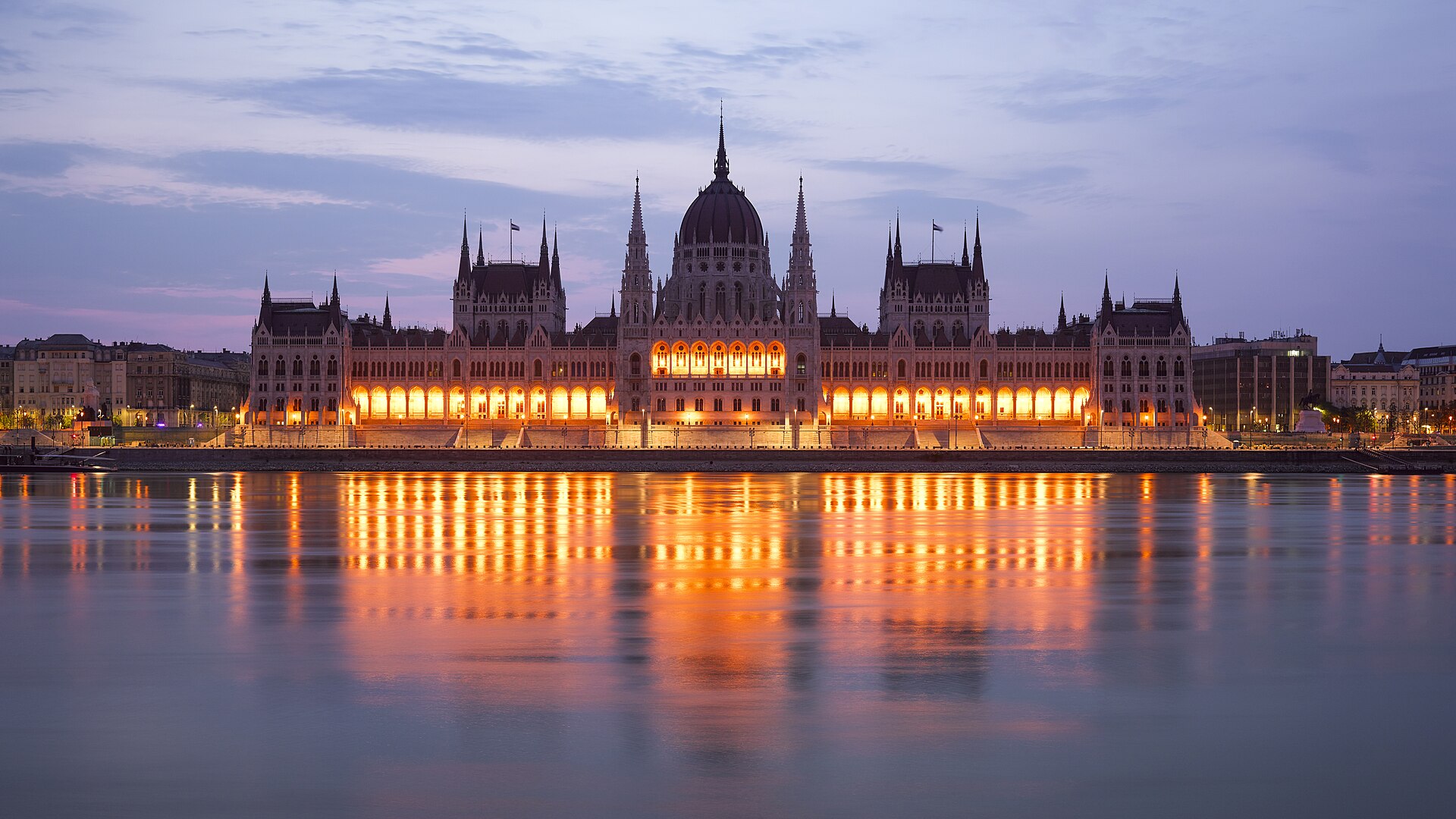
_2015-02.jpg)
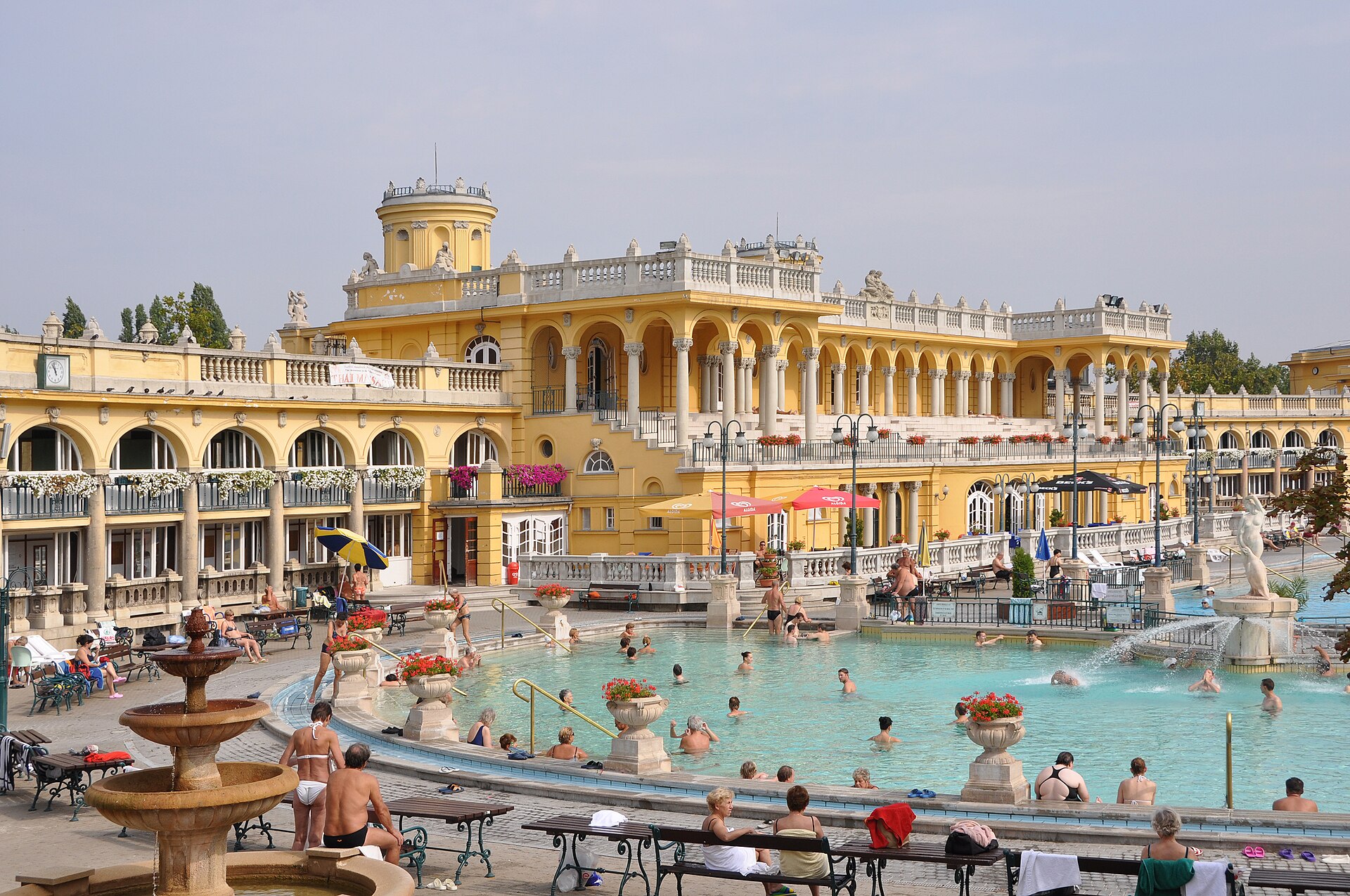 Szechenyi Thermal BathsTicketed · dearer at the weekend
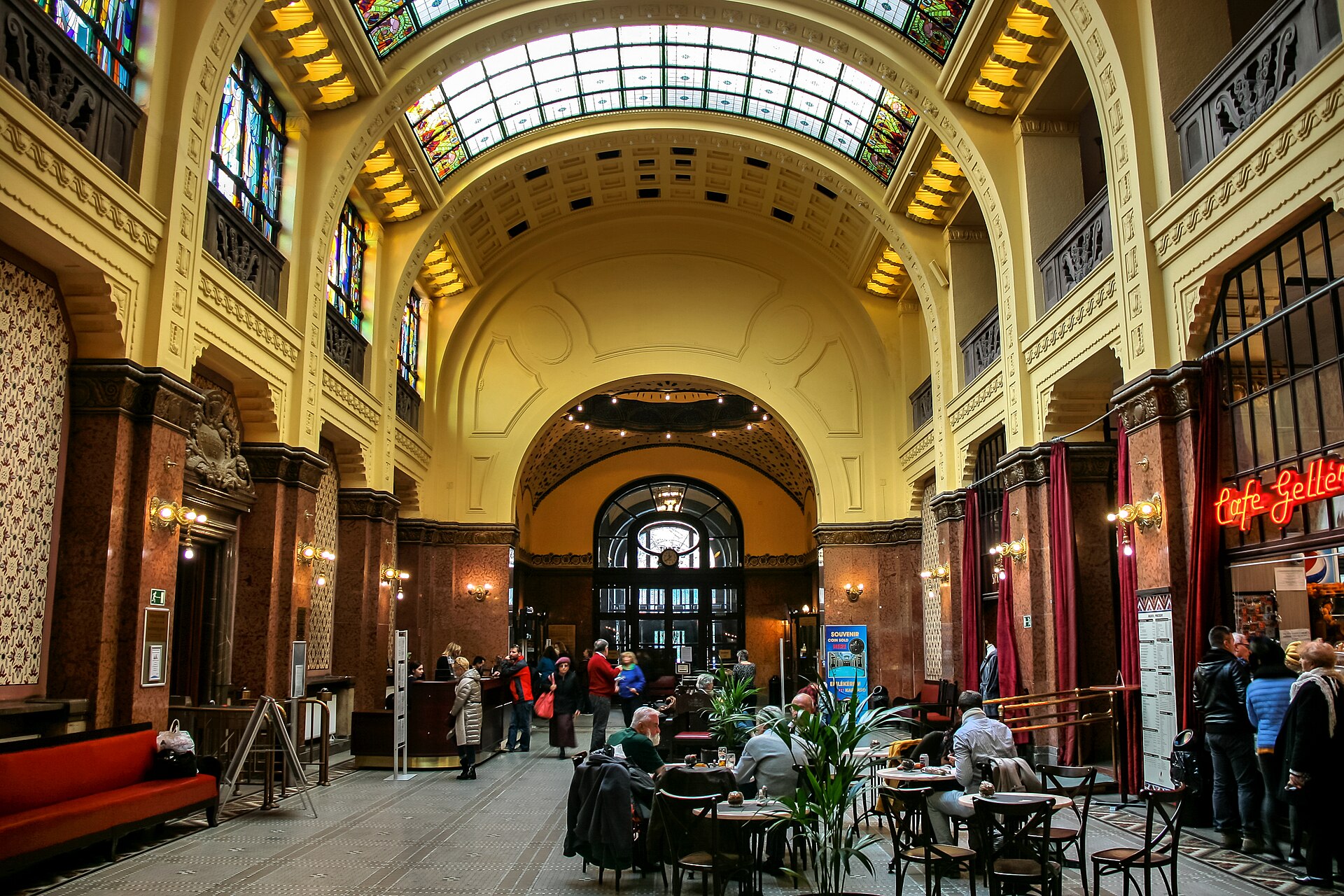 Gellert BathsTicketed · the beautiful one
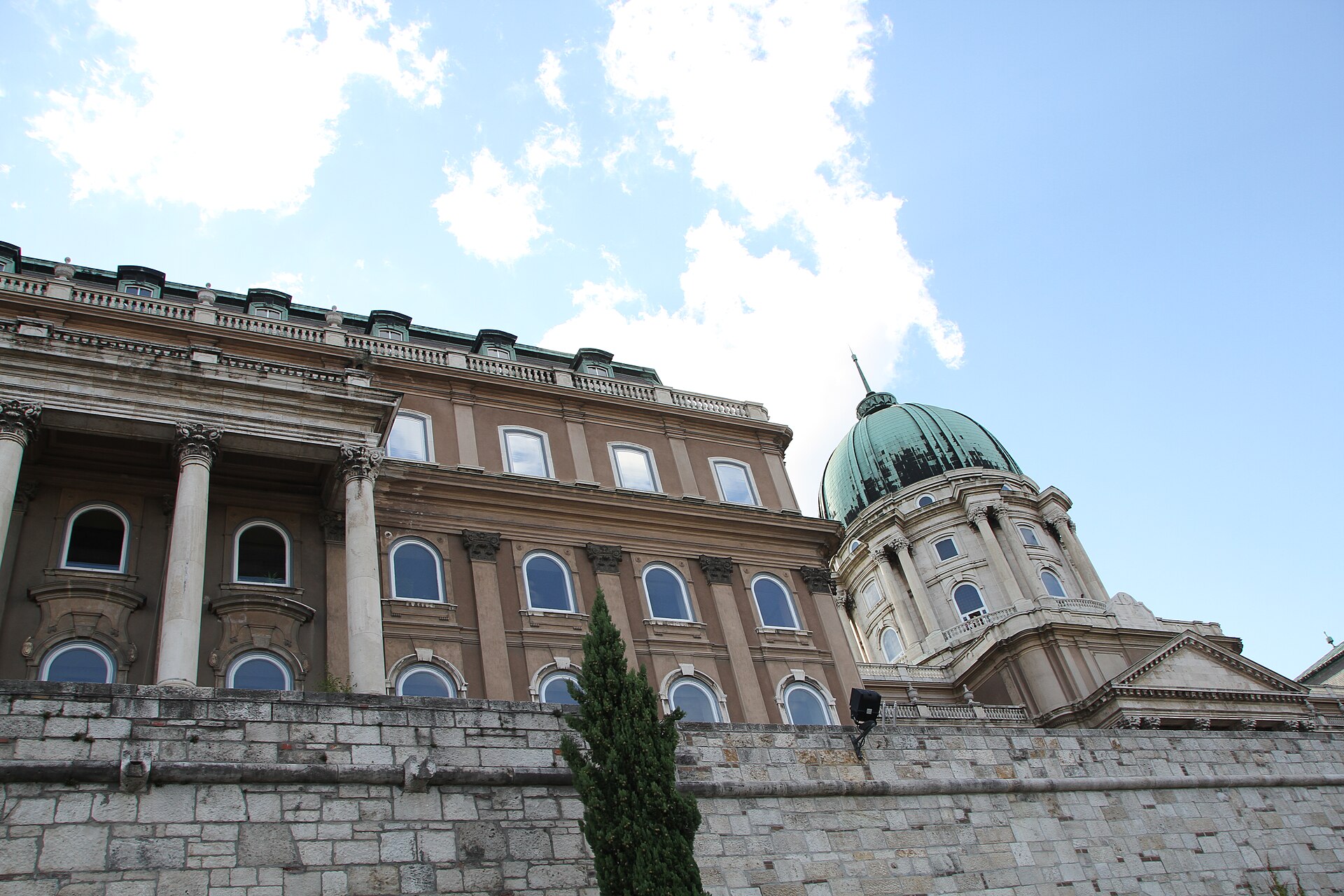 Buda CastleGrounds free · museums ticketed
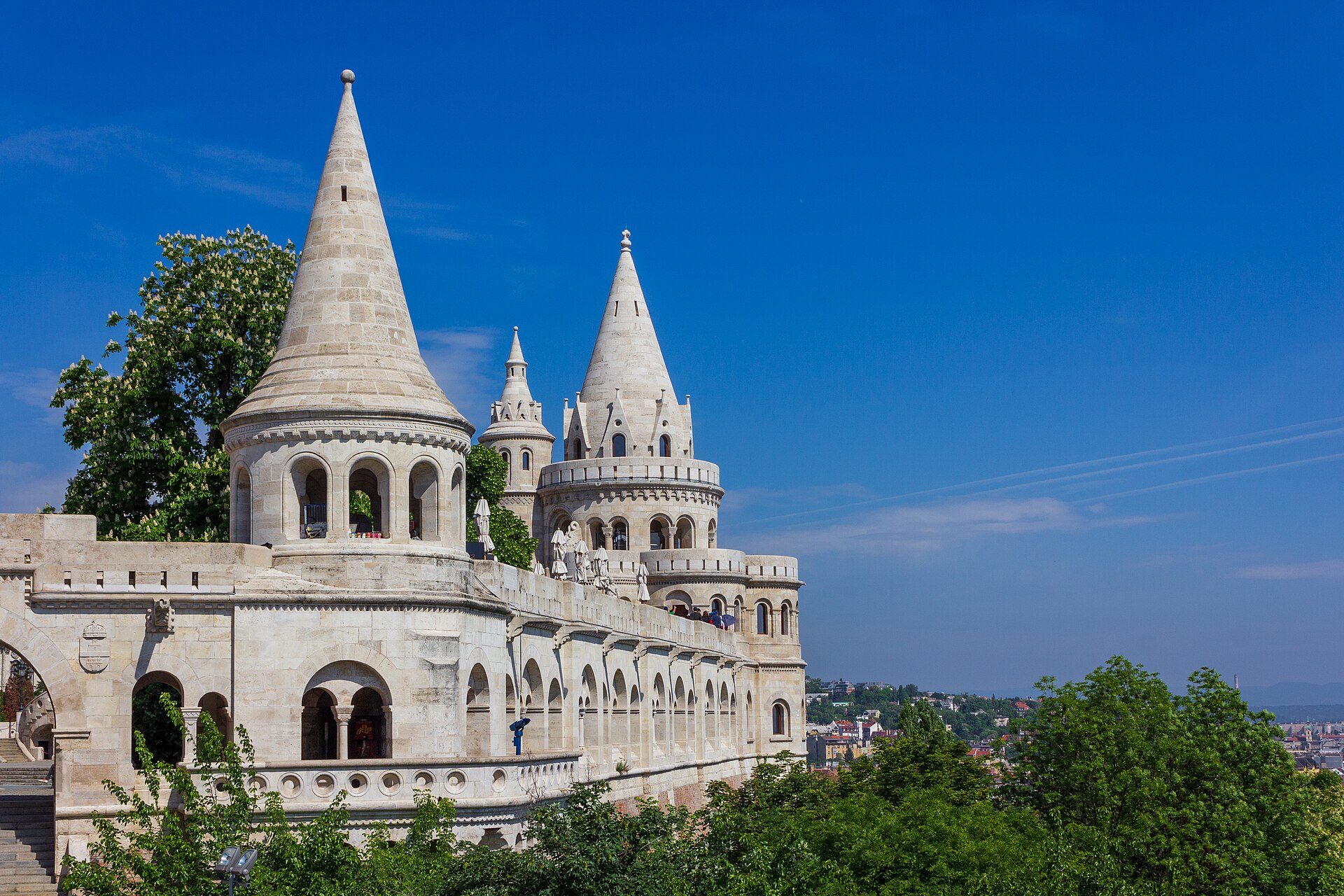 Fisherman's BastionFree early · upper turrets ticketed in season
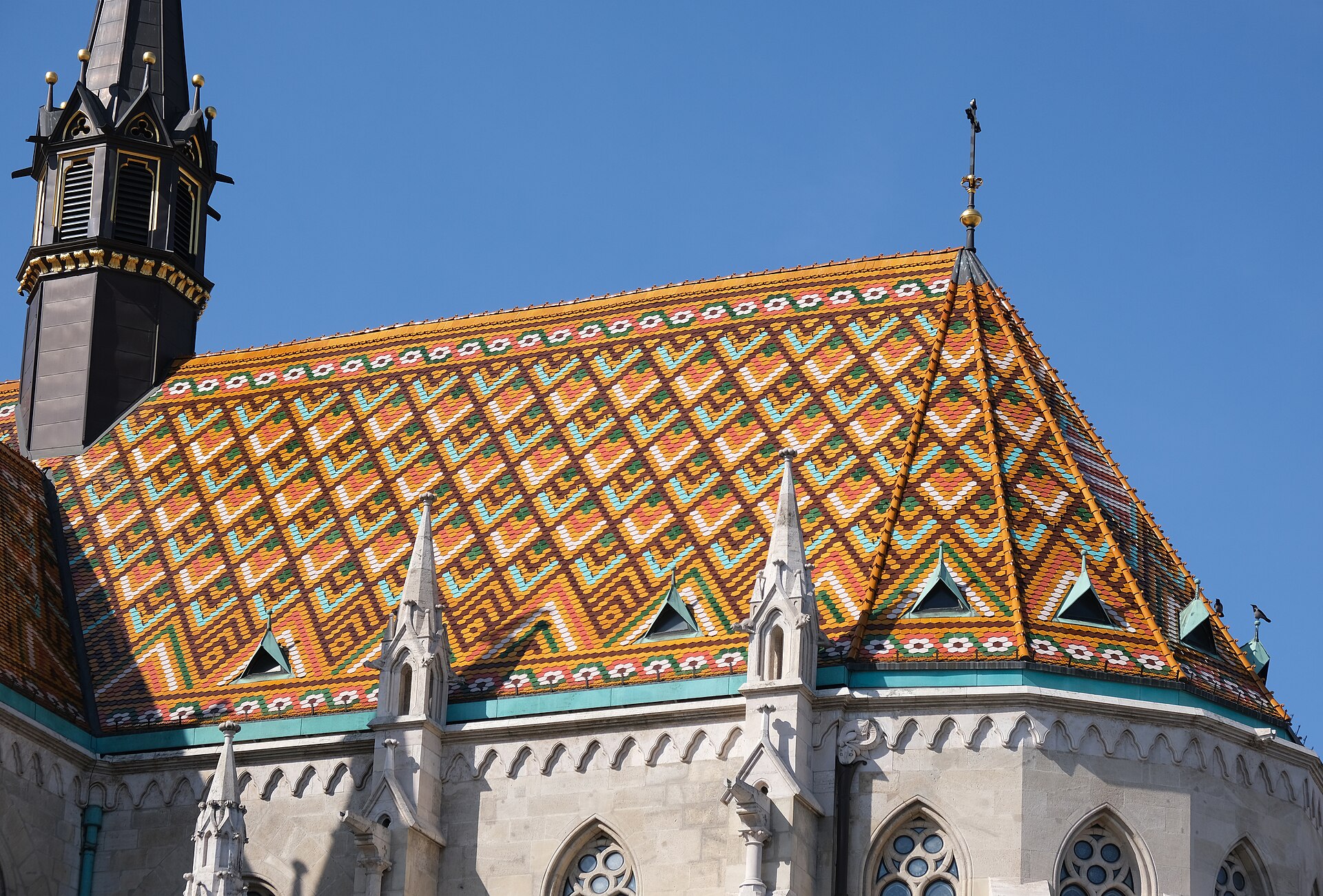 Matthias ChurchTicketed · Zsolnay roof
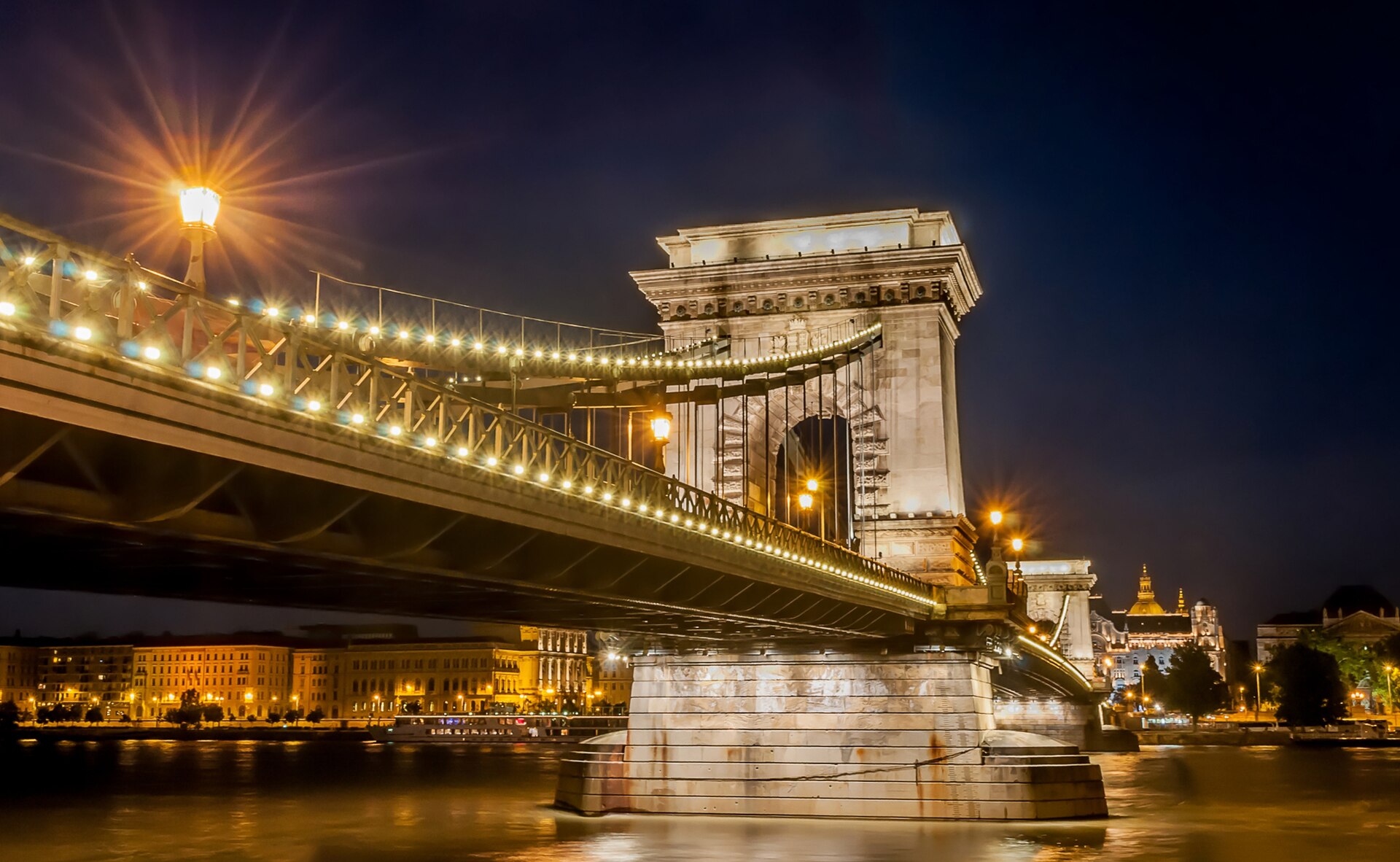 The Szechenyi Chain BridgeFree · best after dark
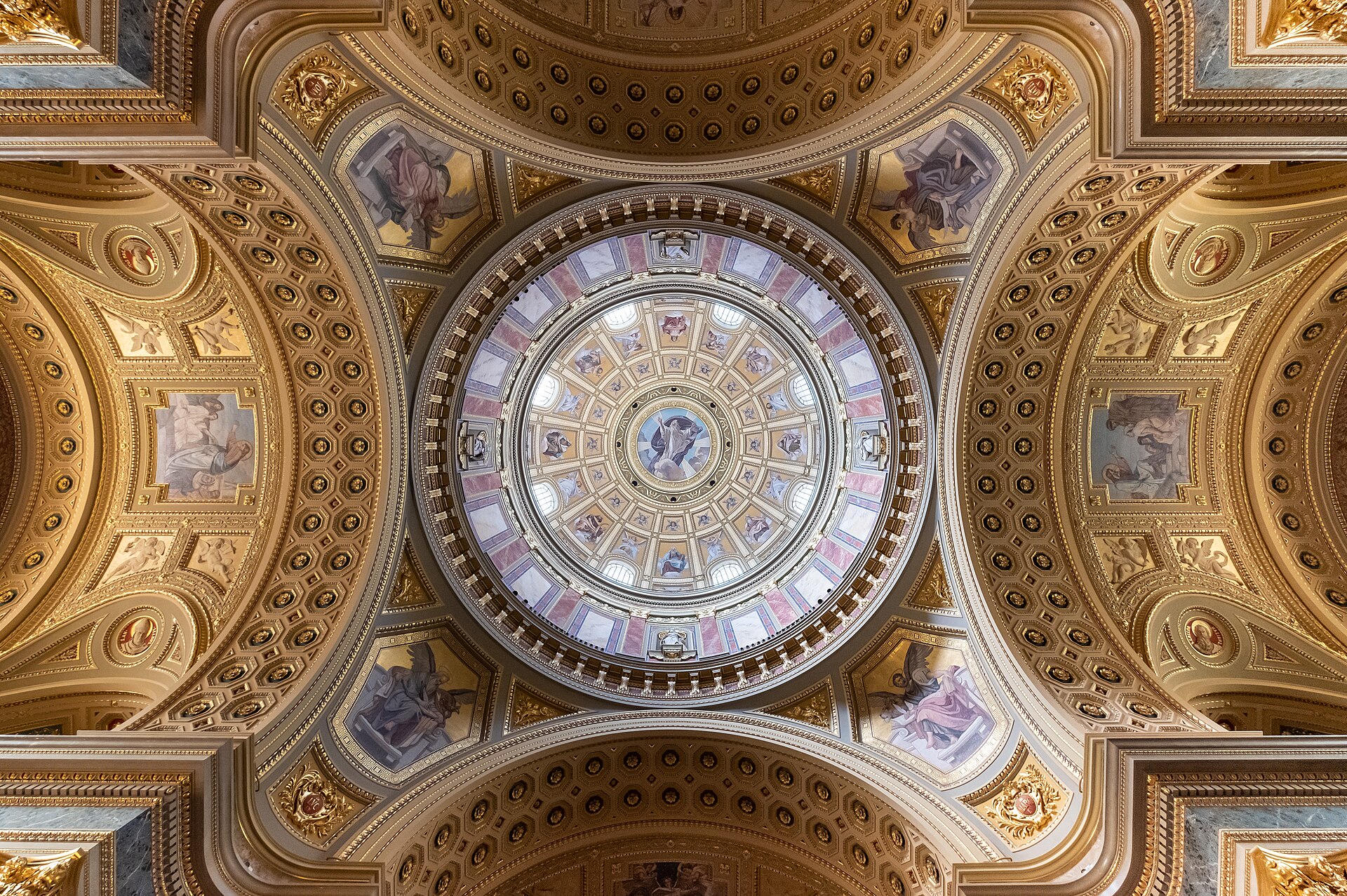 St Stephen's BasilicaDonation at the door · terrace ticketed
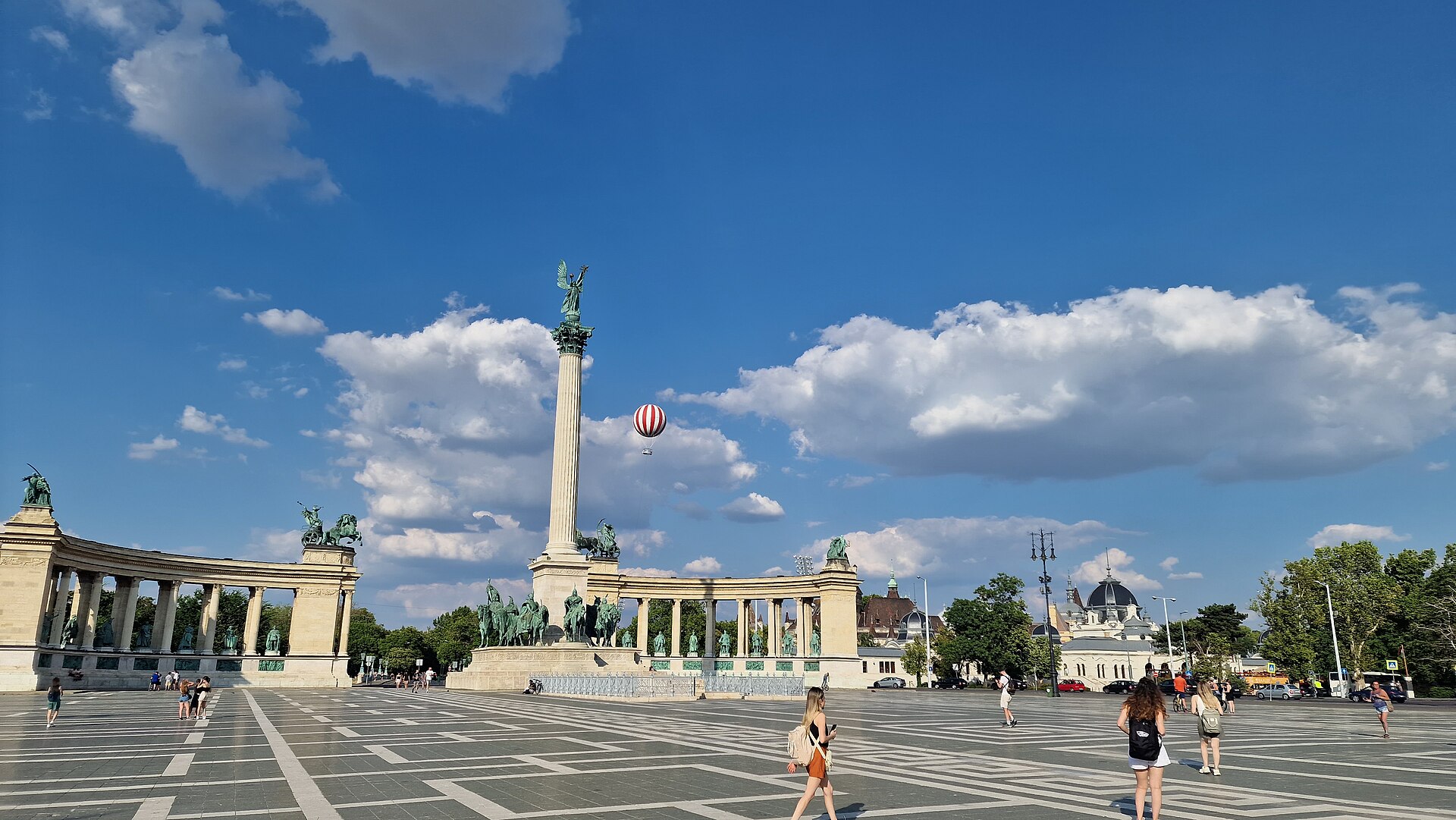 Heroes' SquareFree · always open
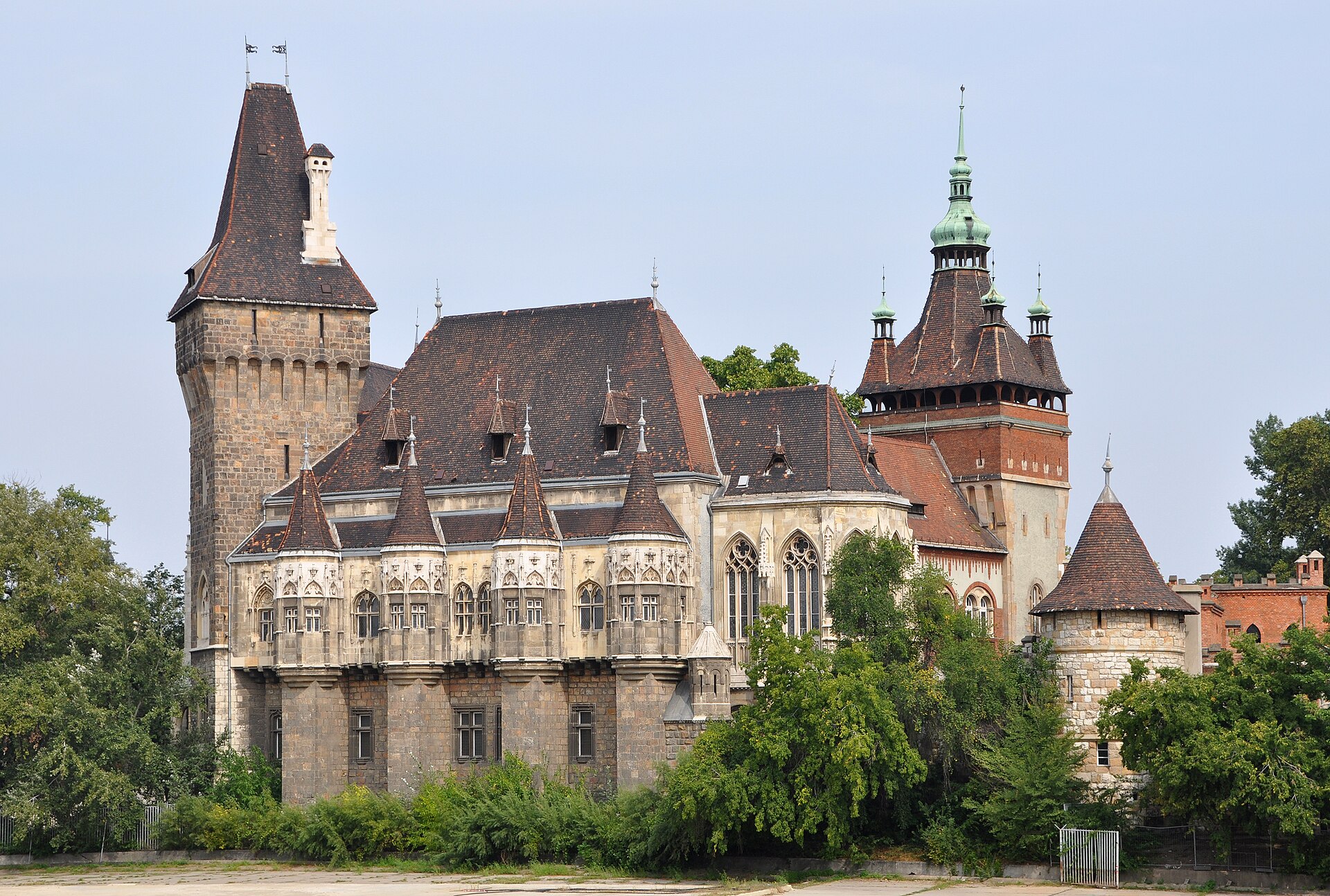 Vajdahunyad CastleGrounds free · museum ticketed
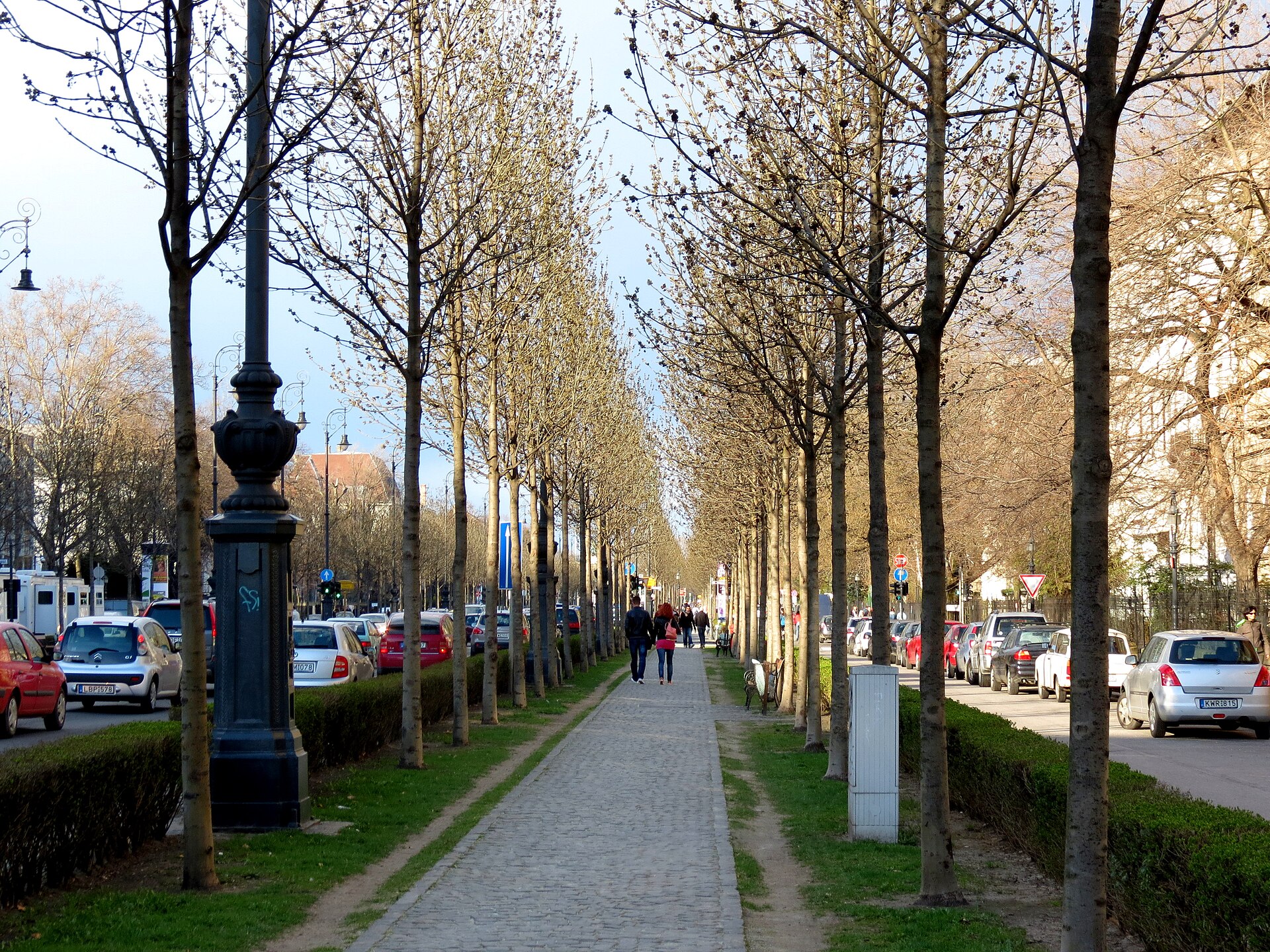 Andrassy AvenueFree · the M1 runs beneath it
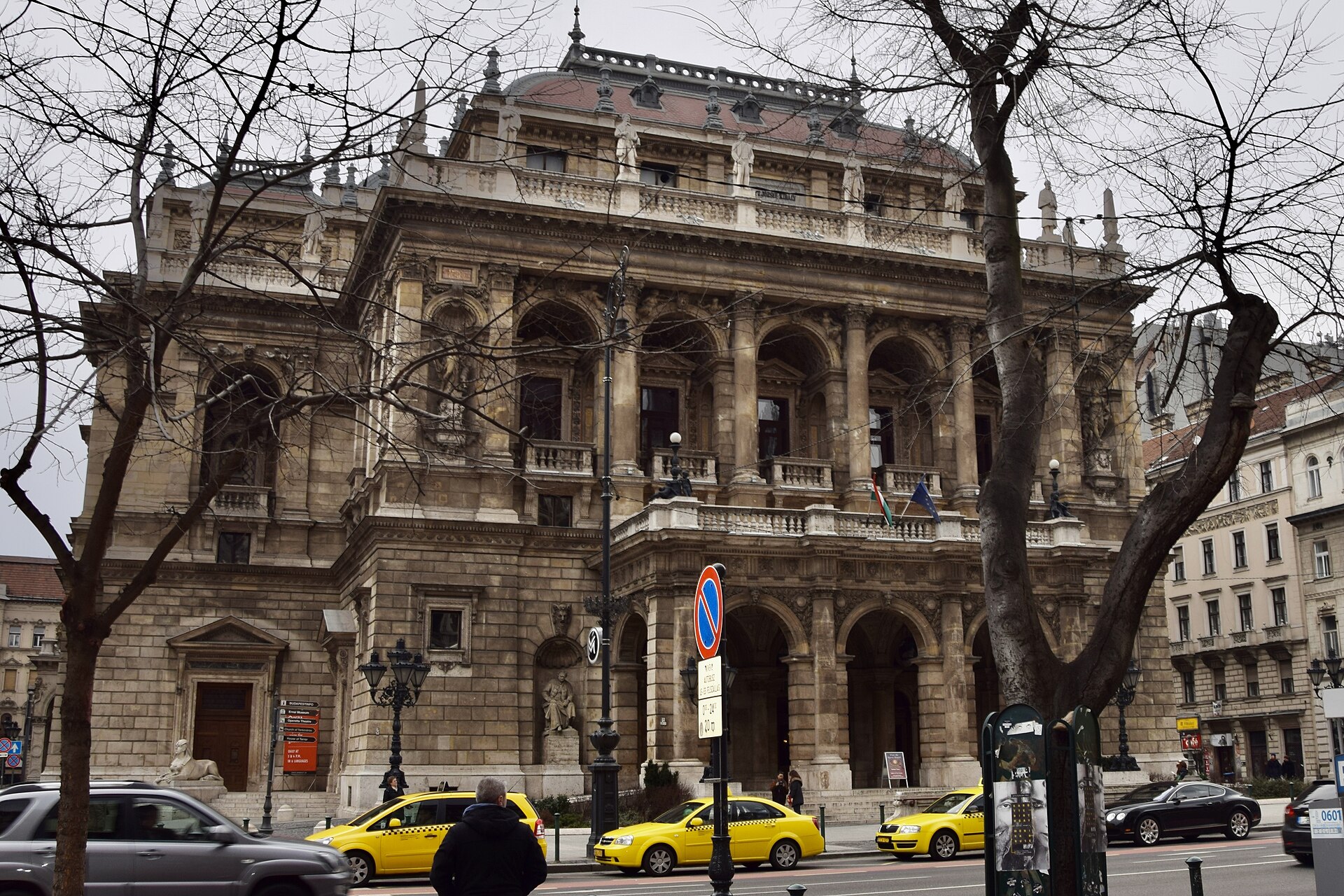 The Hungarian State Opera HouseTours ticketed · seats cheaper
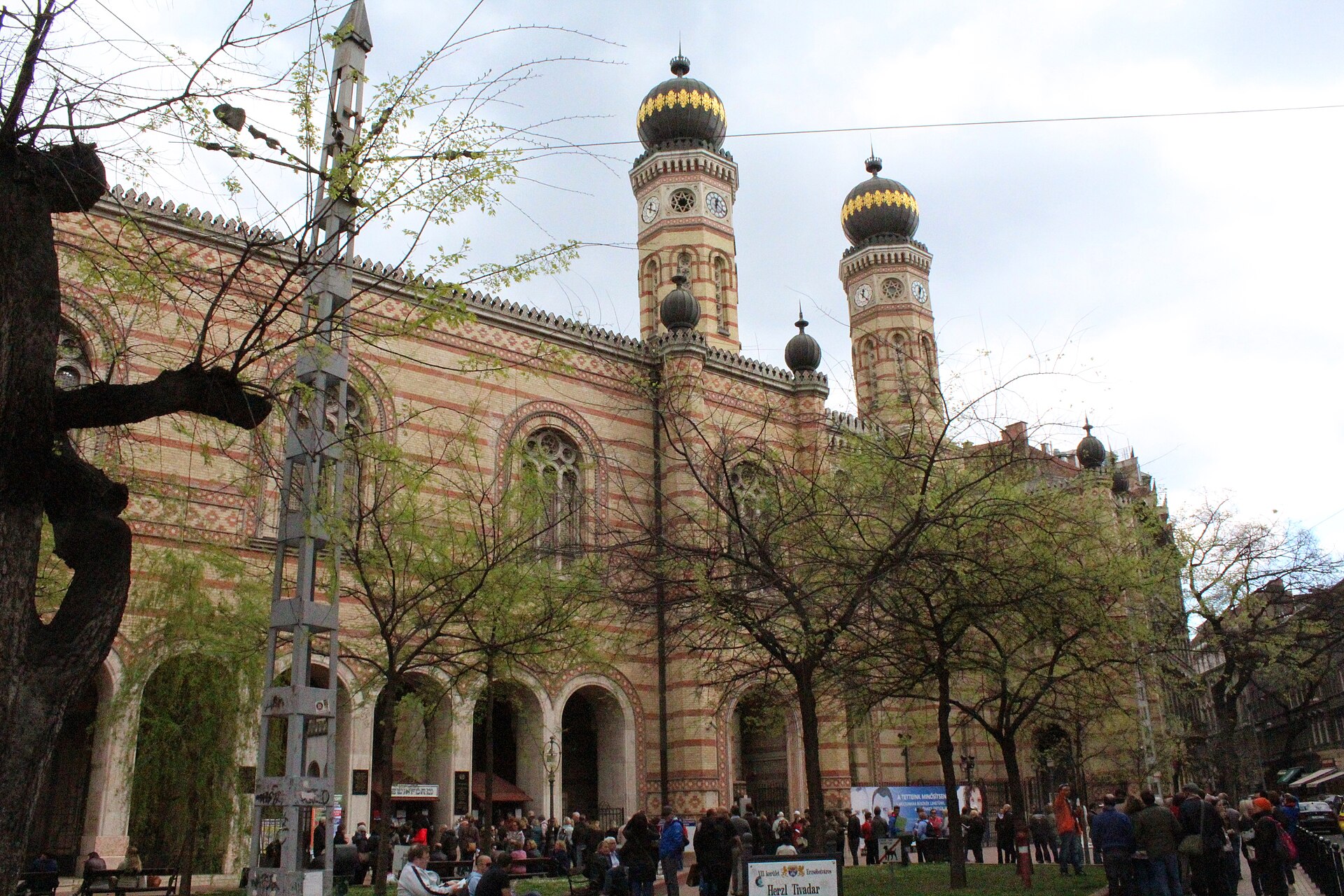 Dohany Street SynagogueOne combined ticket · shut Saturdays
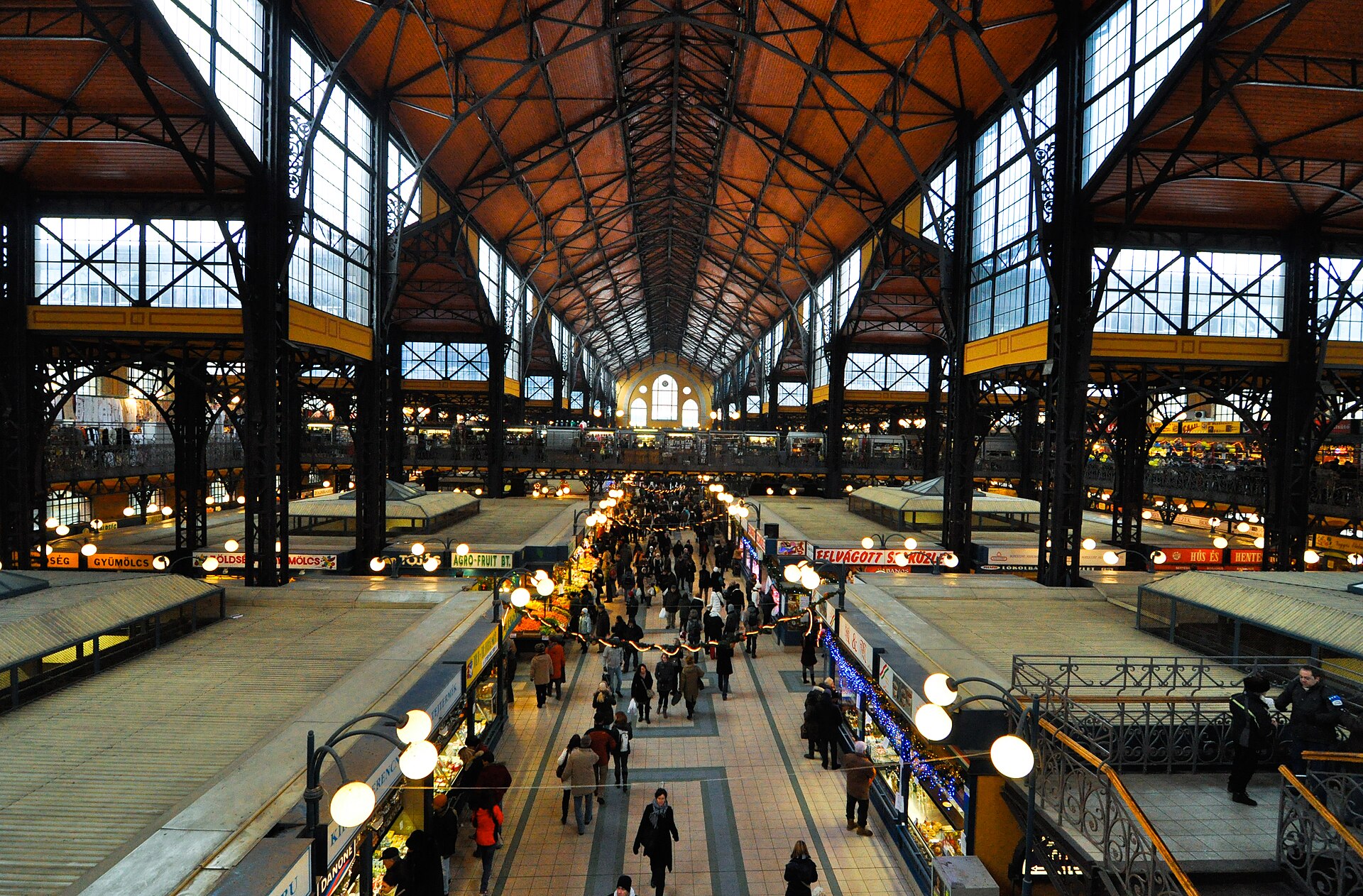 The Great Market HallFree to enter · shut Sundays
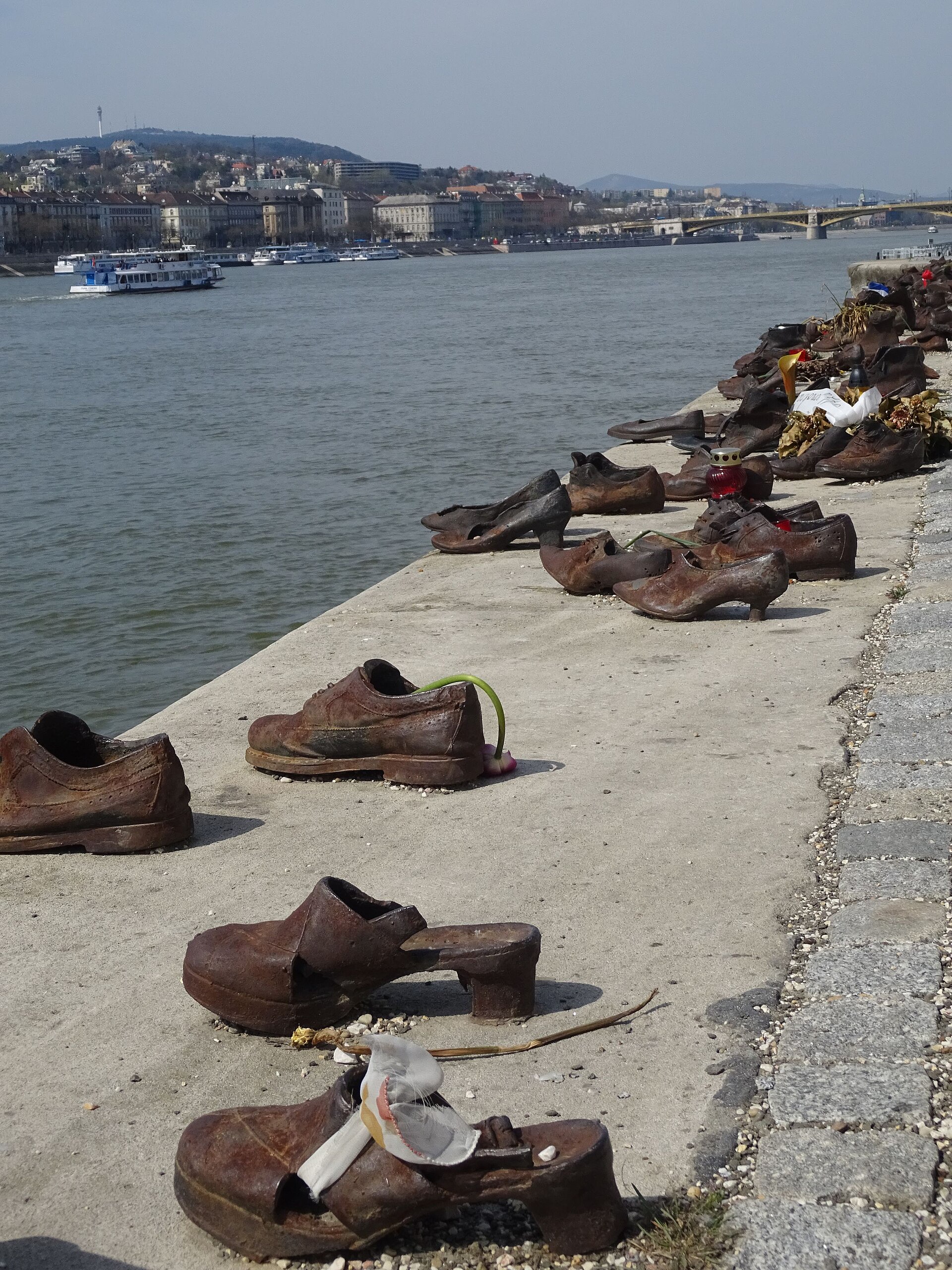 Shoes on the Danube BankFree · a memorial, not a photo stop
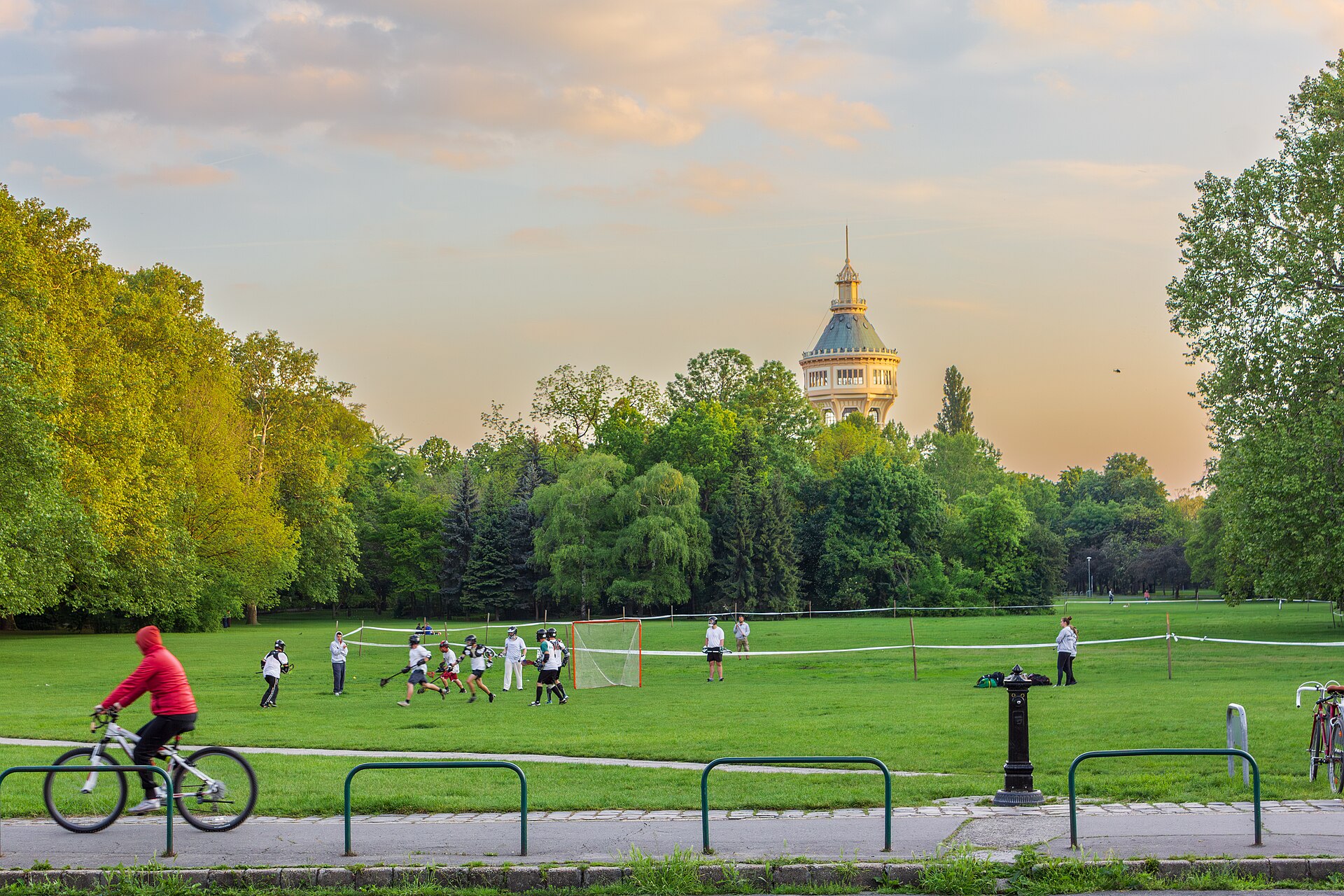 Margaret IslandFree · car-free park