Budapest does not get crowded gradually across a vague “summer season.” It spikes on specific, repeatable dates: the second week of August for Sziget Festival, late July for the Hungarian Grand Prix, August 20th for National Day fireworks, and the stretch from November 1 to December 31 when the Christmas markets run. Knowing these dates matters more than knowing the season.
What actually drives Budapest’s crowd peaks?
Four recurring events do most of the work. Each one fills hotels, pushes up short-term accommodation prices, and changes how central districts feel for about a week at a time. None of them are secret. All are published well in advance by their organizers, so dates can be checked against the source rather than a blog’s guess.
The pattern matters for planning. A visitor arriving the week before Sziget will find a different city than one arriving the week after. Prices for flights and rooms follow the same curve the event creates, not a generic summer average.
When is Sziget Festival, and how much does it change the city?
Sziget Festival runs for about a week in the second week of August on Óbudai-sziget, an island in the Danube in District III. It draws attendees from across Europe. Exact dates shift slightly each year, so the festival’s own site is the only reliable source.
The effect on the wider city is real but concentrated. Accommodation near the island and along nearby metro and tram lines fills first. Central districts get busier too, since many attendees stay in hotels or apartments well outside the festival grounds and commute in daily. Readers can confirm current dates on Sziget Festival’s official site.
When is the Hungarian Grand Prix, and who does it affect?
The Hungarian Grand Prix is held at the Hungaroring circuit, roughly 20 kilometers northeast of central Budapest, typically in late July. It is a different kind of crowd than Sziget. Attendees skew toward a wealthier, older demographic, and many fly in for the weekend rather than staying a week.
The race weekend pressures hotel availability and airport capacity more than it changes street-level crowding downtown. It rarely overlaps with Sziget, but the two events sit close enough on the calendar that late July into mid-August is, taken together, the single busiest and most expensive stretch of the Budapest year. Current race dates are published on Hungaroring’s official site.

What happens on August 20th?
August 20th is Hungary’s National Day, commemorating the foundation of the state and St. Stephen, its first king. It is a statutory public holiday. The date is fixed every year, unlike the events above.
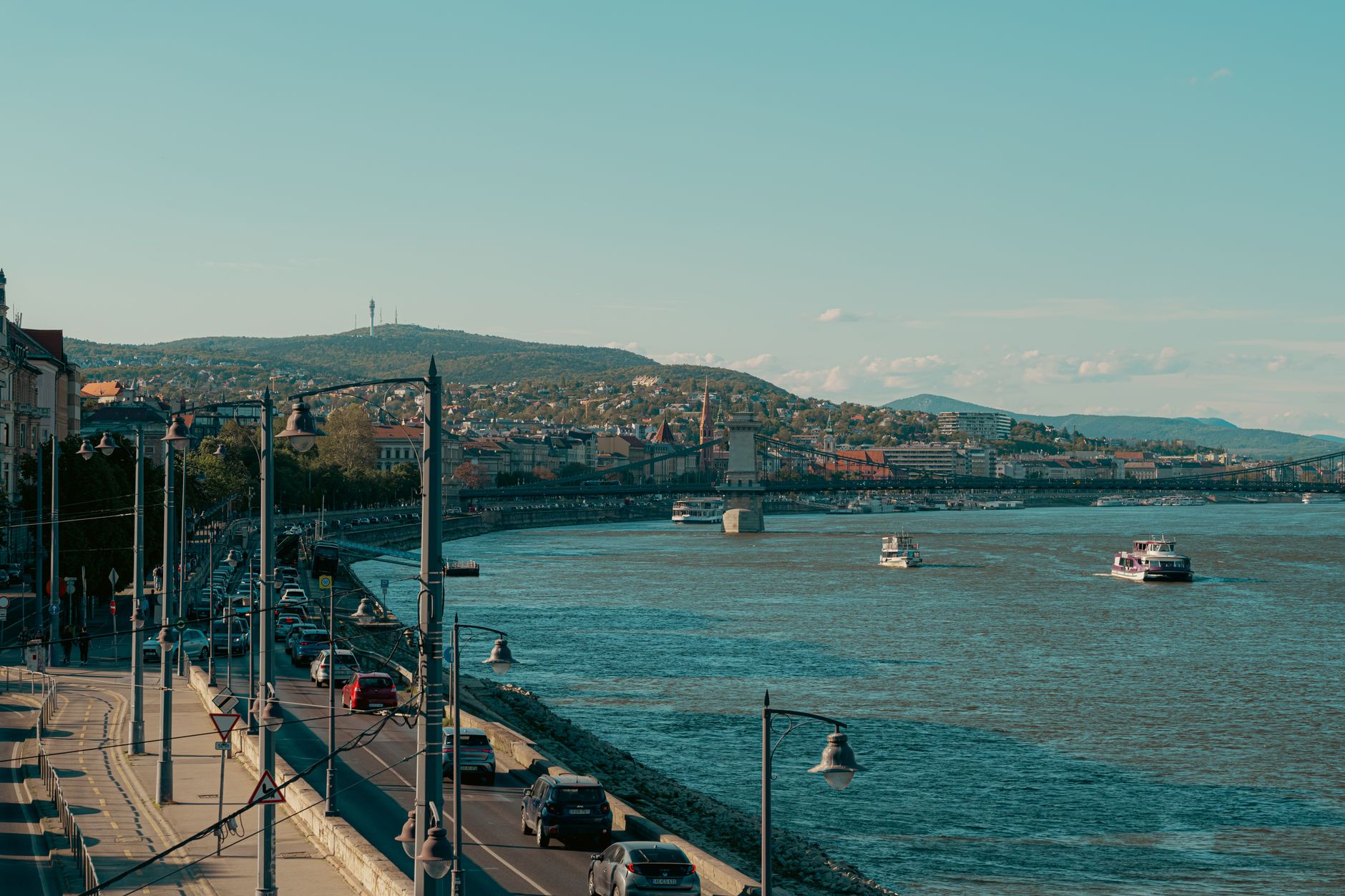
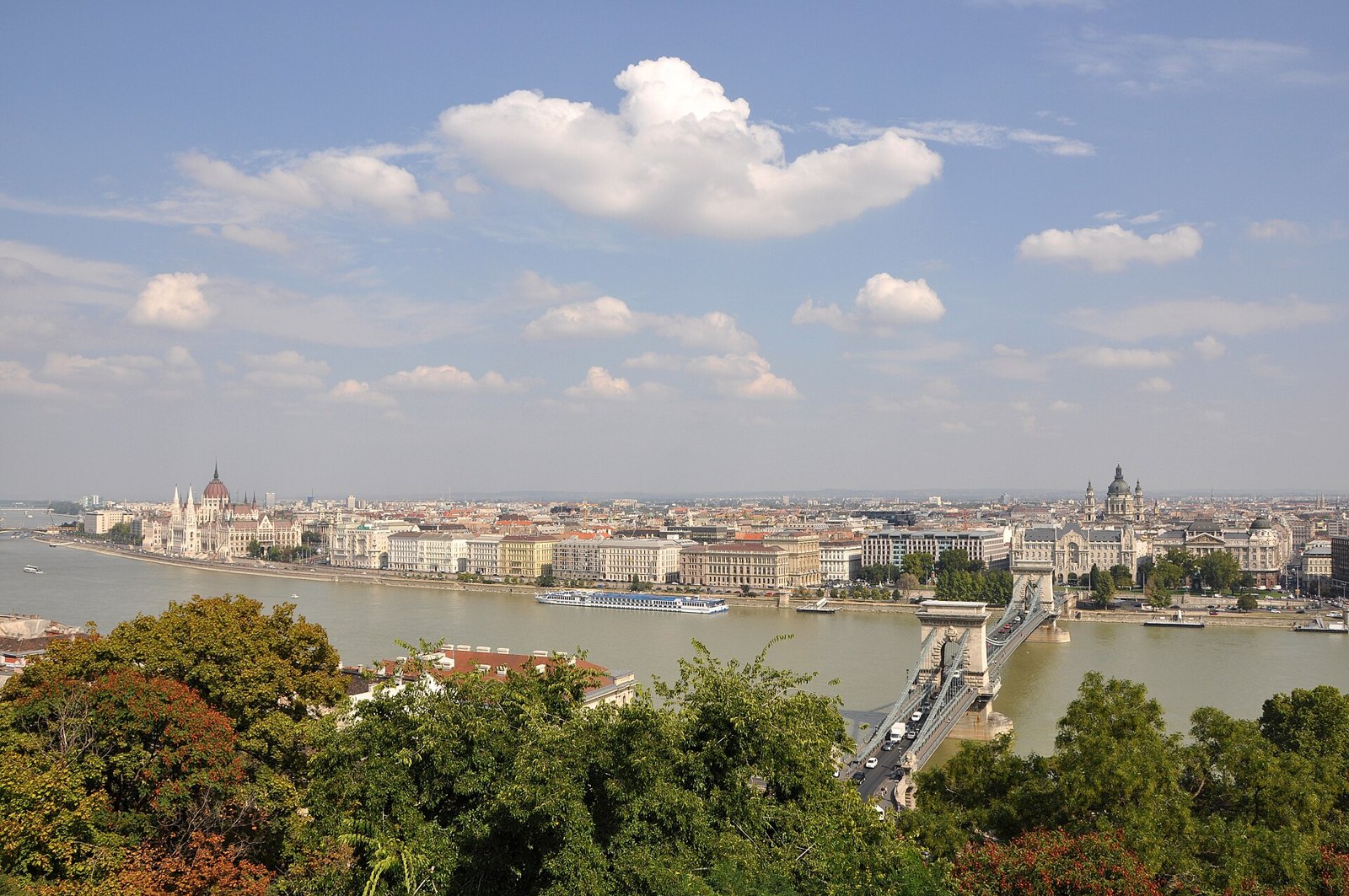
The day draws large crowds to the Danube embankment for an evening fireworks display, plus a water parade and open-air events around the city center. Many shops, offices and some museums close for the holiday. The closure pattern is covered in more detail in the site’s guide to public holidays in Hungary and what closes on each.
Because the date is fixed, it is the easiest of the four peaks to plan around deliberately — either to see the fireworks, or to avoid the embankment entirely that evening.
When do the Christmas markets run, and how long is the season?
Budapest’s Christmas markets typically run from around November 1 through December 31, covering Advent and the turn of the year. The two best-known sites are Vörösmarty tér and the square by St. Stephen’s Basilica, both in the city center.
This is a genuinely different kind of crowding than the summer peaks. Visitor numbers build gradually rather than spiking on one weekend, and the market season overlaps with a quieter period for museums and baths, where winter opening hours and conditions differ from summer. That seasonal shift is covered separately in the guide to visiting a Budapest thermal bath in winter. Current market dates and locations are announced each year by the city’s tourism board; details change, so they should be checked closer to the time.
Month by month: what actually changes
The list below groups months by what drives crowding, not by a generic “high season” and “low season” split. Years vary; treat exact dates as approximate until confirmed against the organizer’s own calendar.
- January–March: The quietest stretch. Museum and bath crowds thin out; some venues run reduced winter hours.
- April–June: Crowds build steadily as the weather warms. No single event dominates; this is closer to the “generic summer” pattern readers expect, just starting earlier.
- Late July: The Hungarian Grand Prix weekend at Hungaroring. Hotel and flight prices rise sharply around the race dates.
- Early-to-mid August: Sziget Festival, usually the second week. The busiest single week of the year for accommodation near District III and the wider city.
- August 20th: National Day. A one-day spike centered on the Danube embankment, plus a public holiday affecting opening hours citywide.
- September–October: A second, quieter high season. Weather is milder than August, and neither festival nor race dates apply.
- November 1–December 31: The Christmas market season, concentrated around Vörösmarty tér and the Basilica square, building toward a December peak.
Does crowding change what things cost?
Yes, but not uniformly. Thermal baths, for one, already price differently by day of the week regardless of season — weekends cost more than weekdays year-round, a structure explained in the site’s piece on why a Budapest bath costs more on a Saturday. Event weeks compound that baseline rather than replacing it.
Accommodation is where the swings are sharpest. Short-term rental and hotel prices during Sziget week or the Grand Prix weekend can run well above the same dates a month earlier or later; this is demand pricing, not a fixed seasonal rate card. There is no single published figure that holds across operators, so comparing current listings against a non-event week is the only reliable check.
How should a visitor use this calendar?
Start with the fixed points. August 20th and the Christmas market window are stable from year to year. Sziget and the Grand Prix move by a week or two, so their exact dates need confirming against the organizer, not a travel article.
From there, work backward. A visitor who wants lower prices and thinner crowds should avoid the last two weeks of July and the first two of August altogether. One who wants the fireworks or the festival should book well ahead, since both pull hotel inventory from across the whole city, not just the immediate area.
Opening-hours planning sits on top of this. Monday closures for state museums and Sunday closures for the Great Market Hall apply regardless of season or festival; both are covered in the guides to what shuts in Budapest on a Monday and what’s open and shut in Budapest on a Sunday. Combining the two calendars — the event one and the weekly one — avoids most of the scheduling mistakes visitors make.
Further planning detail, including money and currency handling that also shifts around peak weeks, is gathered in the site’s Planning & Practicalities archive. The methods behind how this site researches and checks claims like these are set out on the About page.
Access Budapest is an independent guide written from published, checkable sources. We have not visited the places described here and we do not publish personal recommendations or invented ‘local favorites’ — where something is singled out as notable, we say who says so. Opening times, fares, closures and prices change at short notice, so treat everything here as a starting point and confirm with the museum, operator or venue directly before building a day around it. We give no advice on visas, insurance, health or safety; use your own government’s official guidance for those.