Is the Budapest Card worth it?
The Budapest Card earns back its price only for a narrow kind of trip: two or three days, several paid museums a day, with transport already covered. For a bath-focused visit, or a slower one-sight-a-day trip, separate tickets usually cost less. Museums are often free with the card. Baths are only discounted.
What exactly does the card bundle together?
The card combines three things into one purchase: unlimited travel on Budapest’s public transport network for a set period, free entry to a fixed list of museums and attractions, and a discount — not free entry — at a much longer list of venues, including most thermal baths. The transport component runs on the same network everyone else uses. BKK, Budapest’s transport authority, publishes its own fare pages listing the standalone price for a matching travel pass. That figure is one of the two numbers the calculation below actually needs.
The free-entry list changes periodically. It typically covers a handful of major state collections and a short list of named attractions, never everything in the city. Budapest’s official tourism site publishes the card’s current terms, and it is the only reliable source for which museums sit on that list right now.
Validity is sold in bands, from a short one-day option up to several days. Longer windows cost more. They also spread the free-entry value across more museum visits, which is the whole point of the arithmetic that follows.
How do you work out if it pays off?
Subtract the price of a standalone transport pass, for the same number of days, from the card’s price. What remains is the amount the free museum entries need to earn back. Add up the door price of every free attraction actually planned. If that sum is larger, the card wins.
Put it in symbols. Call the card price K, the matching transport pass T, and the average door price of attractions actually visited A. The number of free visits needed, n, has to satisfy n × A ≥ K − T. Everything on the right side shifts with the season and the window chosen. The card’s own page and BKK’s fare page are the only safe places to pull those two figures from.
| Component | Priced on its own | What the card does | Effect on the math |
|---|---|---|---|
| Public transport, matching window | Fixed fare set by BKK, published on its own site | Included automatically in the card price | Subtract this first — it’s the baseline already covered |
| Major state museums on the free list | Door price set by each museum, published on its own site | Free entry for card holders | The real lever — visits here are what the card needs to earn back |
| Smaller or private collections | Separate paid admission | Often a modest discount, not free entry | Barely moves the total either way |
| Thermal baths, including Széchenyi and Gellért | Day-ticket price varies by weekday and by locker versus cabin | A discount, commonly in a 10 to 20 percent band, per the card’s current terms | Rarely enough to offset the card’s own cost on a bath-centric trip |
Why do baths flip the calculation?
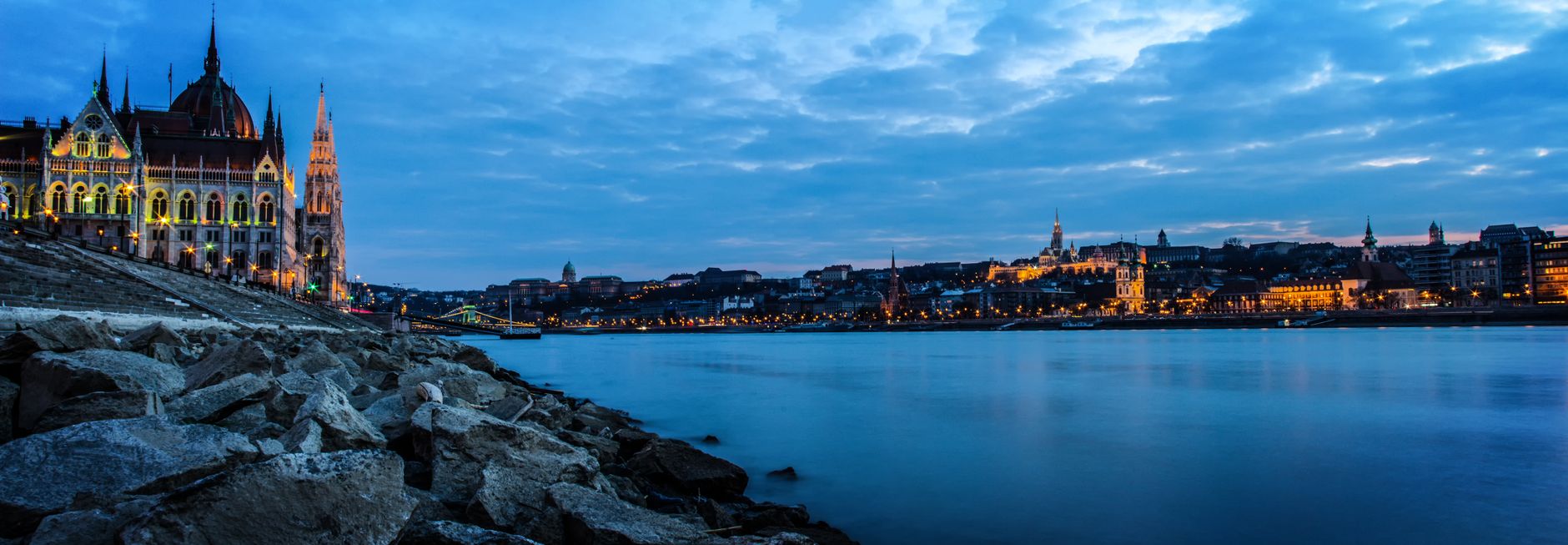
Most visitors rank a thermal bath above any museum. The card, though, treats baths as a discount item, not a free one. A 10 to 20 percent reduction on a bath day ticket saves a fraction of what a single free national museum entry is worth. A trip organized around one major bath gains little from the card, and the card may end up costing more than it returns.
The discount also sits on top of every other pricing variable at the bath itself. Locker versus cabin, and weekday versus weekend admission, still apply underneath whatever base price the discount is calculated from. None of that changes because a card is in hand.
Which kind of trip actually clears break-even?
A dense two or three day stay, with two or more paid museums a day, is the strongest case. Some versions of the card also carry a cheaper child or youth rate. Confirm that structure on the operator’s own page — it is not a flat discount across every ticket type.
- Good fit: a short, museum-heavy stay with at least two paid sights planned per day.
- Good fit: a group that would otherwise buy several individual transport tickets anyway.
- Poor fit: a single bath visit plus a walk, with no other paid admissions.
- Poor fit: a stopover of a day or less, where few sights can realistically fit.
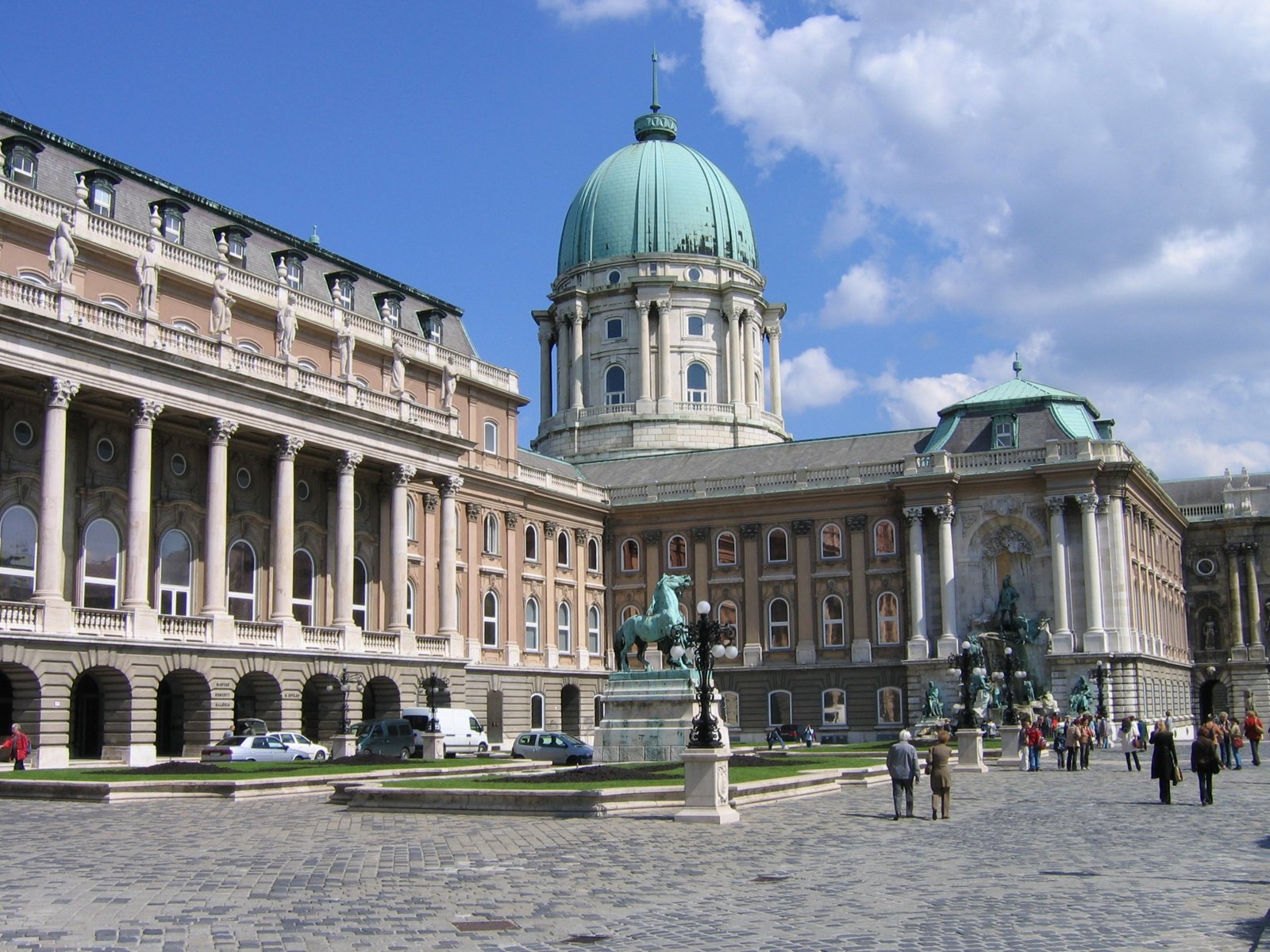
Timing matters too. Several of the card’s free museums are state institutions. Most state museums close on Monday, including the Hungarian National Museum. A three-day window that includes a Monday has fewer places to spend the free-entry value that day. That alone can shift a trip from clearing break-even to falling short.

What doesn’t the card help with?
It does not cover food or nightlife. It does not cover most seasonal events, which follow their own calendar regardless of any card. It does not remove weekday-versus-weekend pricing at the baths. And it does not replace the need to carry local currency for anything it doesn’t fully cover — paying in forints rather than a home currency still applies to every gap payment.
Where to check the current numbers before buying?
Three pages matter. The card’s own page gives its price and free-entry list. BKK’s fare page gives the price of a standalone transport pass. Each museum’s own site gives its door price. None of those numbers belong printed in an article like this one. They move too often to be safe on a date nobody can predict.
The rest of the trip budget is covered in more depth in the site’s planning and practicalities section, and the baths specifically in the thermal baths archive.
Access Budapest is an independent guide written from published, checkable sources. We have not visited the places described here and we do not publish personal recommendations or invented ‘local favorites’ — where something is singled out as notable, we say who says so. Opening times, fares, closures and prices change at short notice, so treat everything here as a starting point and confirm with the museum, operator or venue directly before building a day around it. We give no advice on visas, insurance, health or safety; use your own government’s official guidance for those.
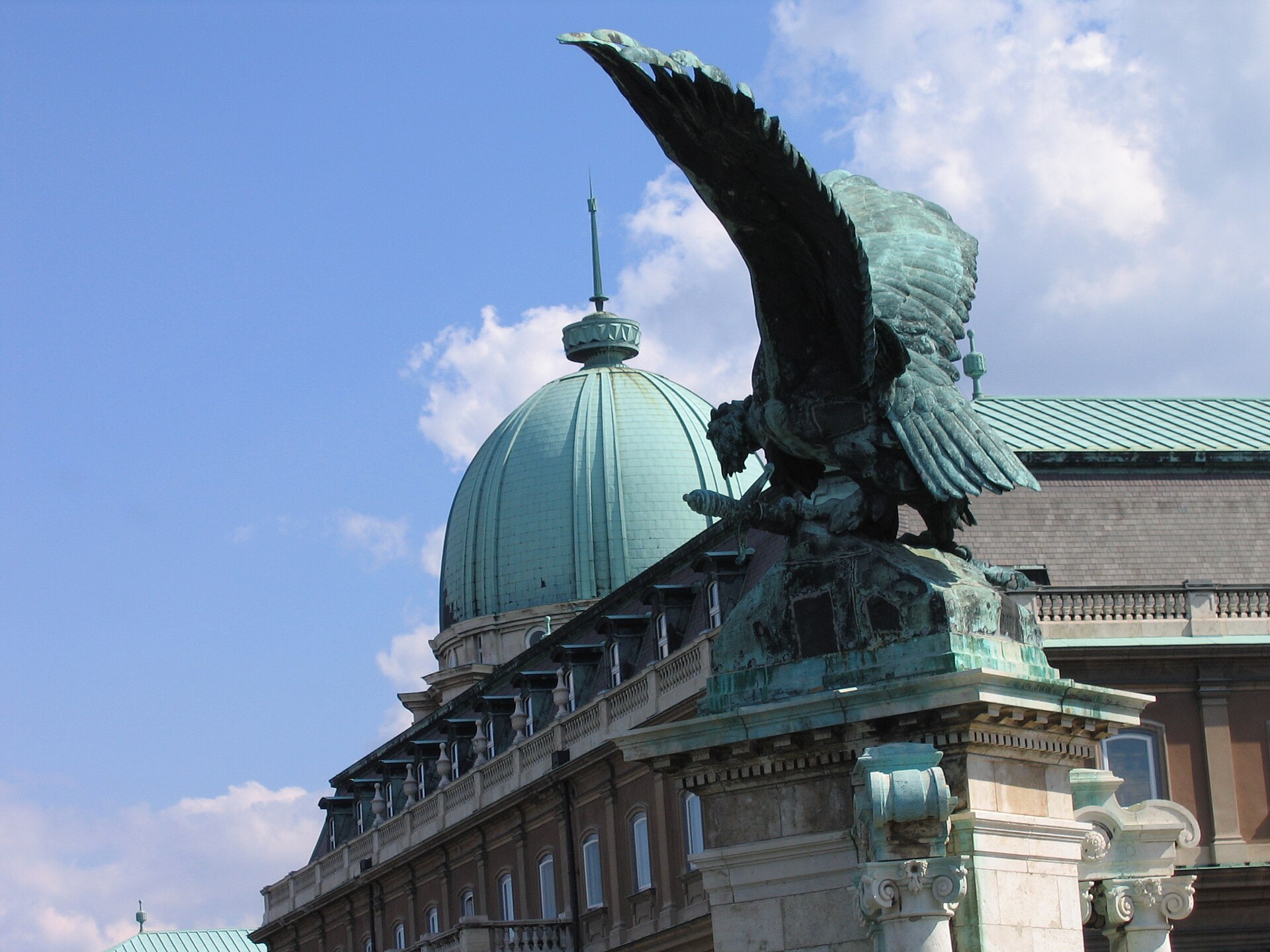
Featured image: Photo by Andrew Bossi, source, CC BY-SA 2.5
