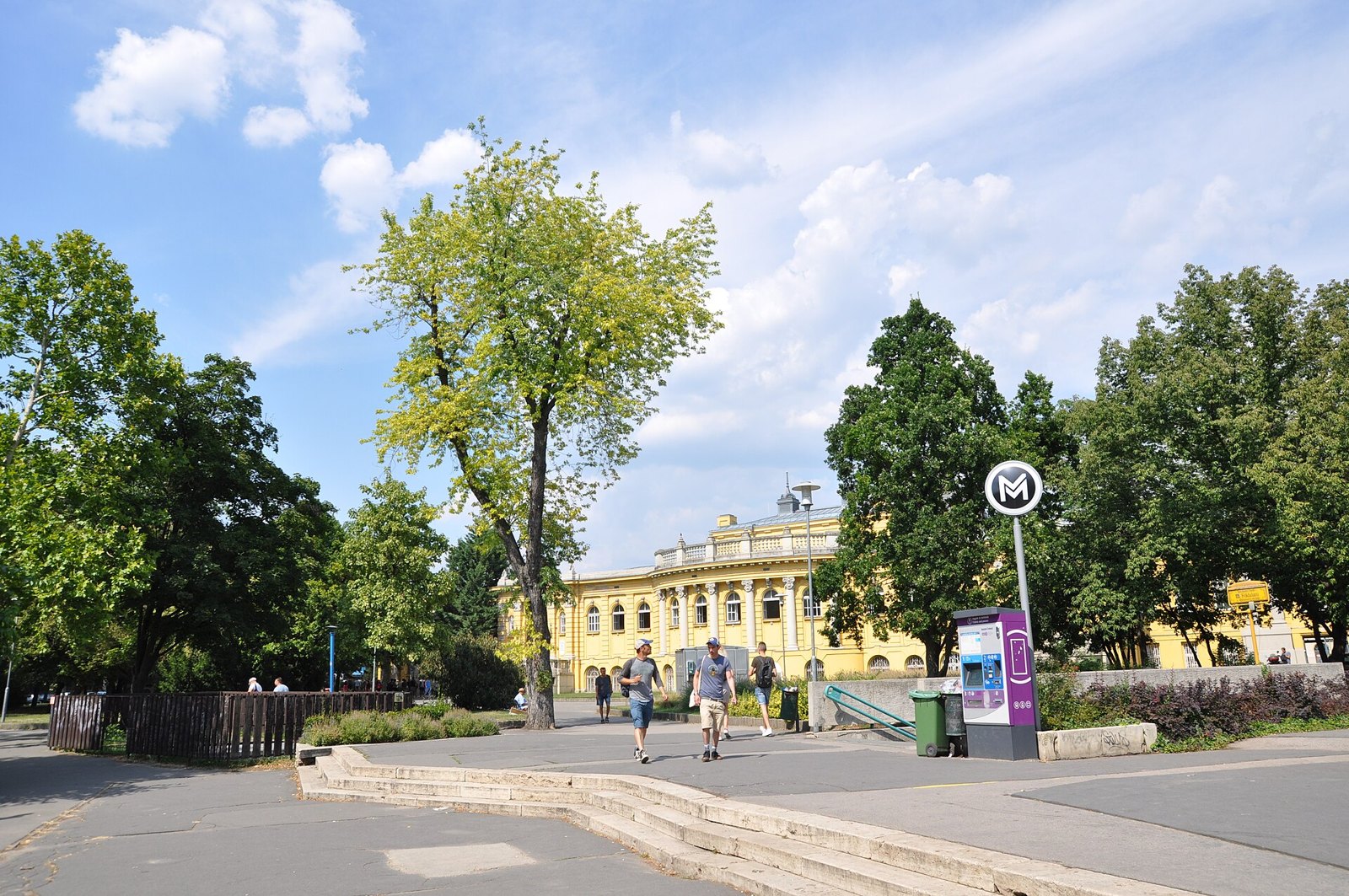
Széchenyi and Gellért are run by the same municipal operator, but they solve different problems. Széchenyi’s outdoor thermal pools work in any weather and suit groups, photographs, and slow all-day soaking. Gellért is smaller, mostly indoor, and better suited to a lap swim, a rough morning, or dodging the mid-morning tour-bus wave that fills Széchenyi’s courtyard.
What is Széchenyi, and what is Gellért, structurally?
Both are furdo — thermal baths — supplied by natural hot springs beneath the city. That geology is the reason Budapest has a dozen public bathing complexes rather than one.
Széchenyi sits in District XIV, Zugló, inside Városliget (City Park), close to Hősök tere (Heroes’ Square). It opened in 1913 as a neo-baroque bathing palace and is one of the largest such complexes in Europe: three large outdoor pools plus a network of indoor thermal basins, steam rooms, and saunas at varying temperatures.
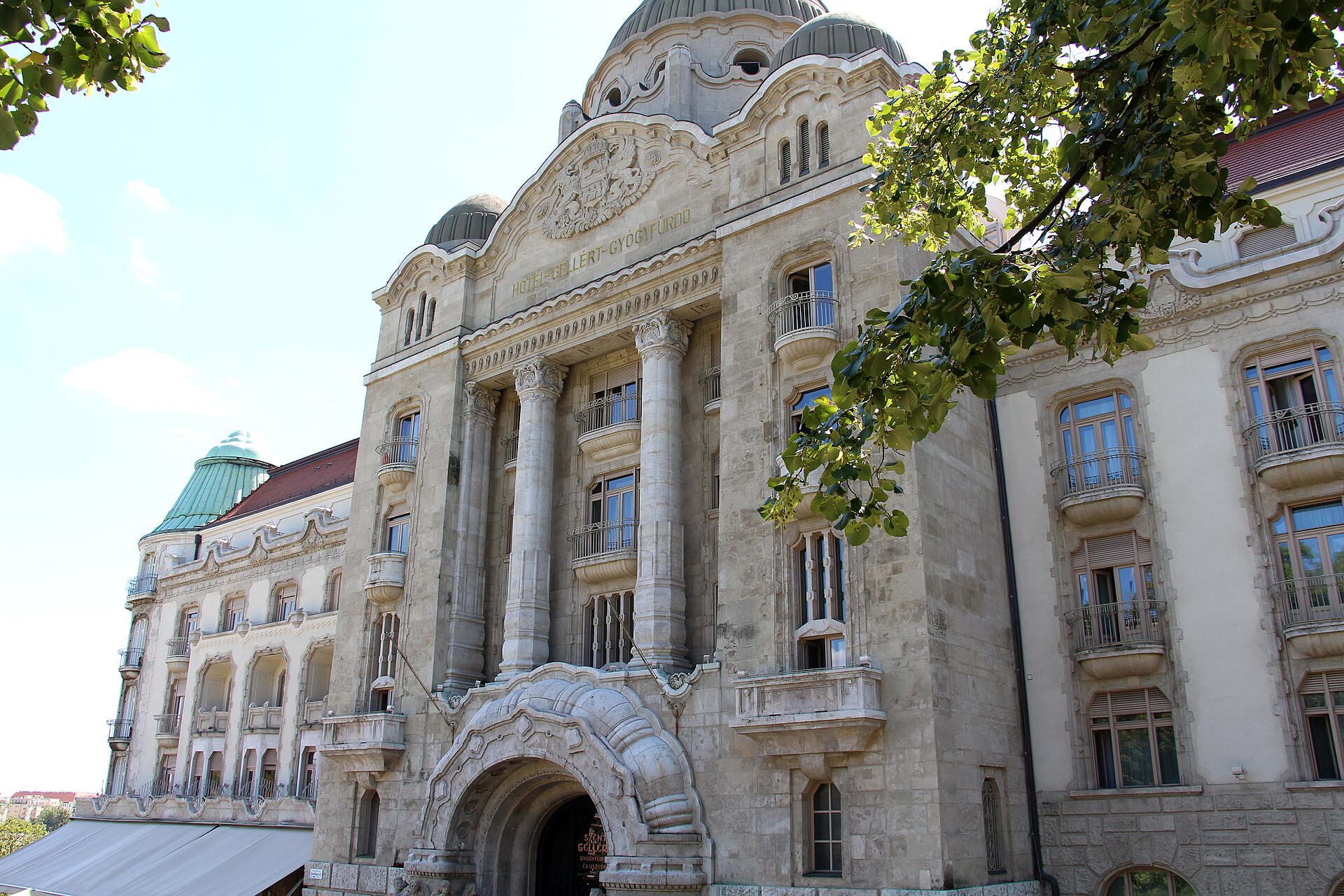
Gellért sits across the river in District XI, Újbuda, at the foot of Gellért-hegy (Gellért Hill). It opened in 1918, attached to the Gellért Hotel, in a Secessionist building known for Zsolnay ceramic tiling. Its footprint is far smaller: mostly indoor pools, plus a seasonal outdoor pool used in the warmer months.
The hillside directly above Gellért is inside the Budapest World Heritage Site along the Danube banks, as UNESCO’s own listing describes. That is a fact about the hill, not the bath’s admission terms.
.jpg)
Which bath answers which kind of day?
The two baths differ less in grandeur than in layout, temperature spread, and who else is likely to be there at a given hour. The rules below are structural, not seasonal preference.
- Hungover morning: Gellért. Its thermal halls are indoor, dimmer, and compact, so there is less walking between zones and no bright outdoor deck to navigate on arrival.
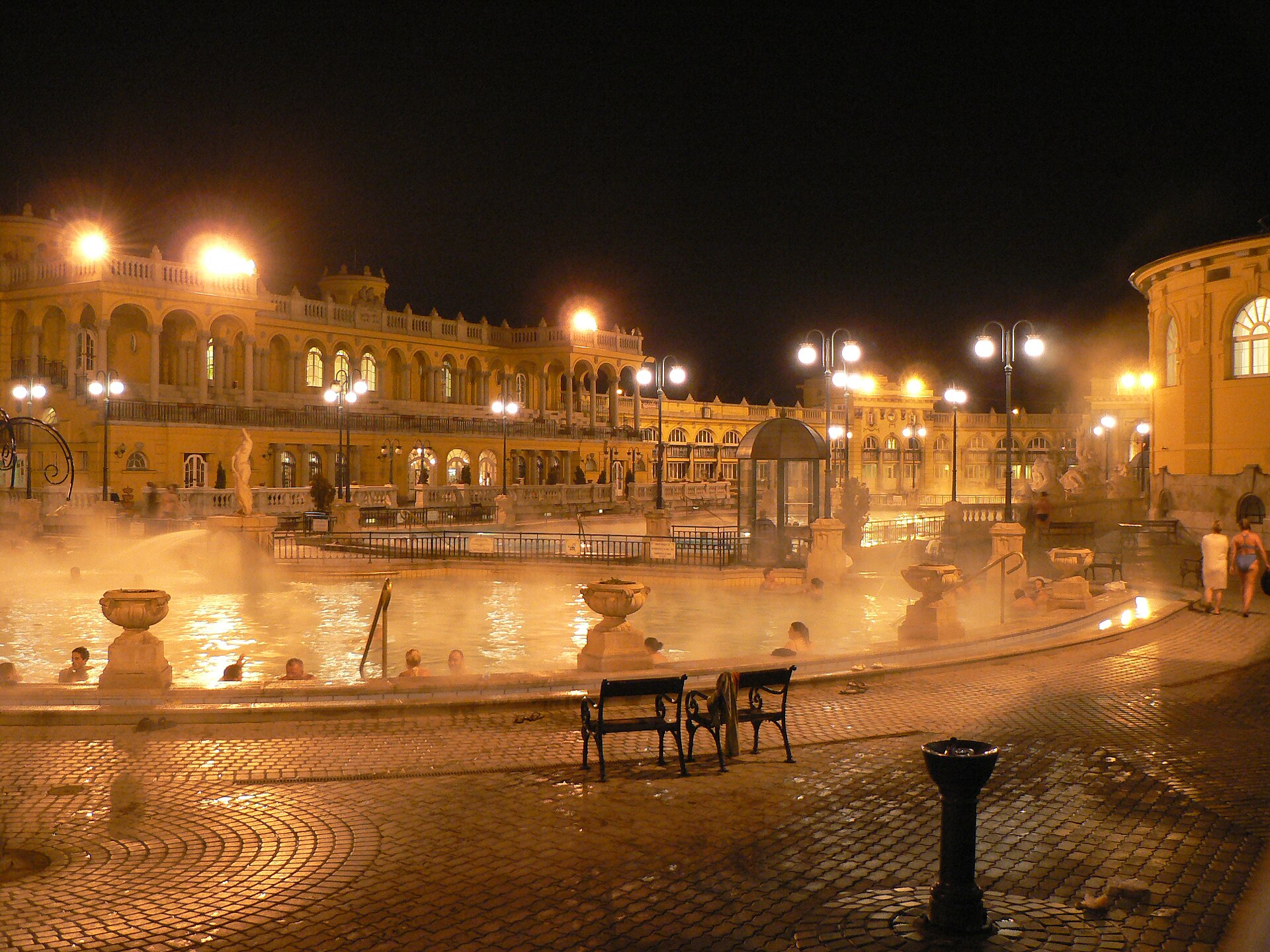
- Rain forecast, still want the classic photo: Széchenyi. Its three outdoor pools run year-round regardless of weather; bathers use them in snow. Gellért’s grandest rooms are indoor, and its outdoor pool is a summer-only feature.
- Want to swim actual lengths: Gellért. It keeps a dedicated indoor swimming pool separate from its ornate thermal basins. Széchenyi’s lane pool sits between its two much larger thermal pools and tends to fill with soakers drifting over, not swimmers doing lengths.
- Traveling with young children: Széchenyi. The open outdoor terraces and mix of shallower edges give a family more room to spread out. Gellért’s showpiece halls are formal and adult in character. Either way, check the operator’s current age and supervision rules before visiting, since these are set by the bath, not by us.
- Trying to avoid the late-morning tour-bus surge: Gellért, or Széchenyi at opening or in the evening instead. Széchenyi’s courtyard is a fixture on many organized city-tour itineraries, and that produces a predictable late-morning crowd band. Gellért is smaller and less prominent on those routes.
- Tight budget after 6pm: either bath, on an ordinary evening. Both price tickets by time band, and a plain evening session is typically the cheaper slot at each. The exception is a scheduled night-bathing event — Széchenyi in particular runs ticketed evening events on selected dates, priced separately from a standard entry. Check the bath’s own current calendar before assuming an evening discount applies.

How the pools themselves differ
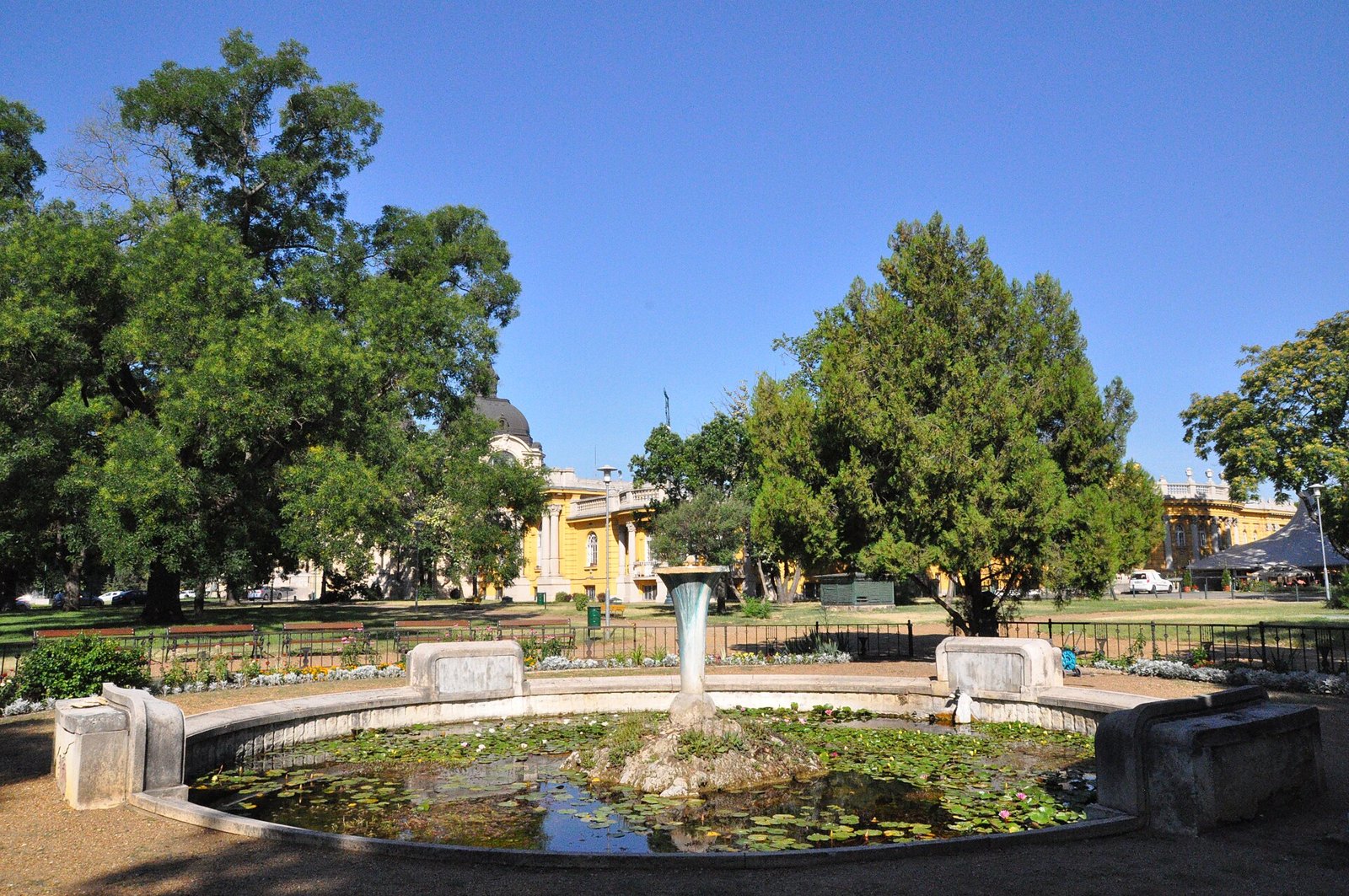
Széchenyi’s headline feature is scale. Three large outdoor pools — two thermal, one for swimming — sit in a shared courtyard framed by the building’s yellow facade. Indoors, a further set of smaller thermal pools runs at a range of temperatures, along with steam rooms and saunas. The sheer number of basins is the reason first-time visitors often report losing track of where they’ve already been.
Gellért is built around fewer, more ornamented spaces. Its indoor thermal pools sit under a tiled hall that is itself a listed piece of Secessionist architecture. The separate indoor swimming pool is plainer and functional, built for length swimming rather than soaking. The outdoor pool, open seasonally, is smaller than anything at Széchenyi.
Exact pool counts, current temperatures, and which basins are open on a given day are published by the operator and do change with maintenance schedules. Confirm details on the bath’s own site rather than from a general guide, this one included.

Getting there, and what that means for timing
Széchenyi has its own metro stop. Line M1, the oldest metro line in continental Europe, runs directly to Széchenyi fürdő station, a short walk from the entrance. Current route maps and service patterns are published by BKK, Budapest’s transport authority.
Gellért sits on the Buda side near Szent Gellért tér, served by tram lines that run along the river. There is no dedicated metro line. That difference matters for timing: Széchenyi’s metro link makes it an easy add-on to a City Park visit, which is part of why its crowds build through the late morning. Gellért requires a slightly more deliberate trip, which tends to thin its visitor numbers outside weekends.
Does either bath suit a resident’s routine, not just a visit?
For someone living in the city, the calculation shifts toward the swimming pool, not the thermal basins. Gellért’s dedicated lap pool and generally smaller crowds make it more workable as a weekly swim than Széchenyi, where the swim lane shares space with a much larger soaking public. Season tickets and multi-visit passes exist at both, structured around visit count and time of day rather than a flat daily rate; the operator’s own current terms are the only reliable source for how those bands are set.
The short version
Neither bath is objectively better. They are built differently and they fill differently through the day. Rain, a hangover, a lap-swimming plan, small children, or a tight evening budget each point toward one bath over the other for a genuinely structural reason, not a matter of taste.
Details in this article — hours, ticket bands, event calendars — are the kind that change without notice. How this site checks and updates that sort of claim is explained on the About page.
Access Budapest is an independent guide written from published, checkable sources. We have not visited the places described here and we do not publish personal recommendations or invented ‘local favorites’ — where something is singled out as notable, we say who says so. Opening times, fares, closures and prices change at short notice, so treat everything here as a starting point and confirm with the museum, operator or venue directly before building a day around it. We give no advice on visas, insurance, health or safety; use your own government’s official guidance for those.
Featured image: Photo by Christo, source, CC BY-SA 4.0
