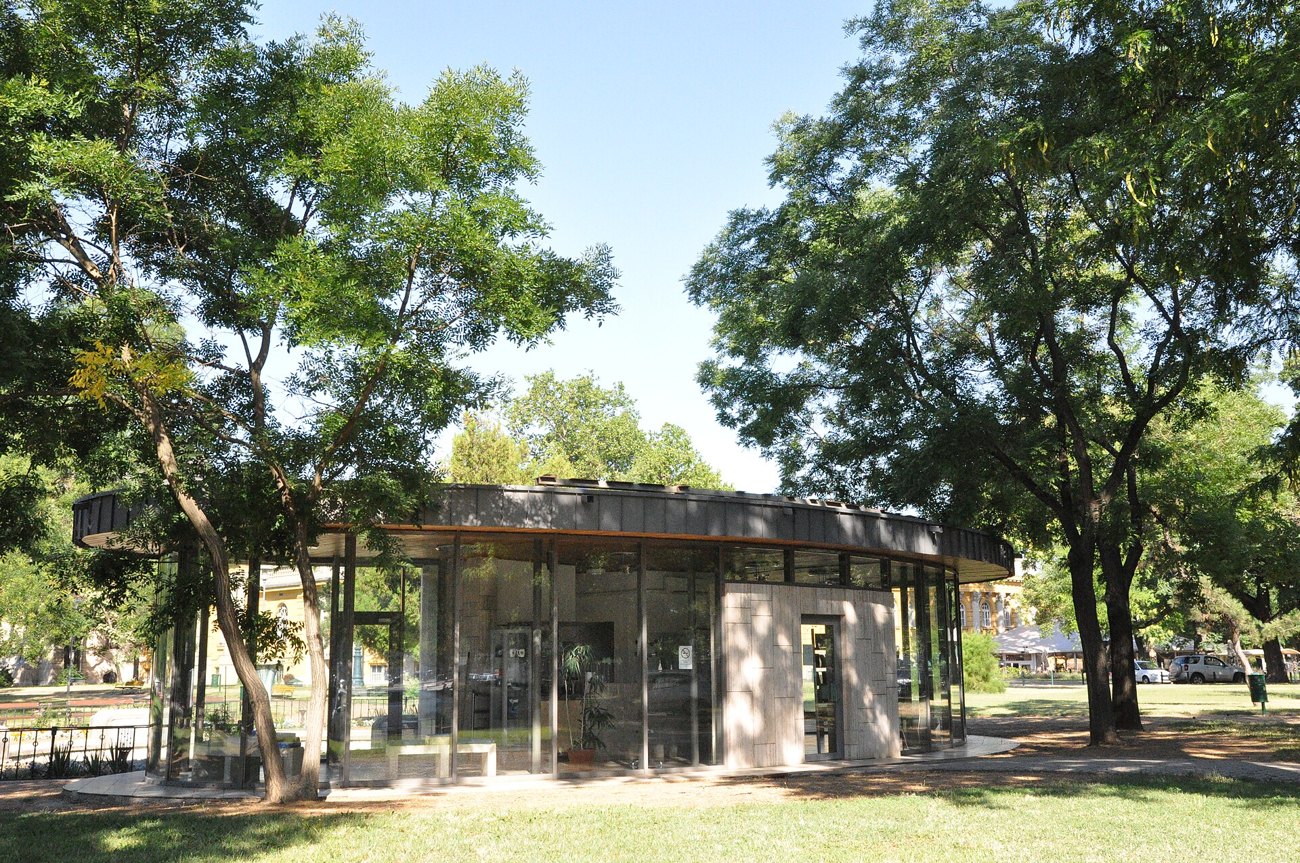
A cabin buys privacy and a shorter walk back to your belongings. A locker buys speed and a lower price. At Széchenyi and Gellért, the two baths most visitors ask about, that second difference — the walk — is bigger than most guides admit, because the locker rows are split by sex and sit down separate corridors from the pools.
What does a cabin actually add, mechanically?
A cabin is a small, lockable changing room, usually just wide enough to turn around in. A locker is an open shelf in a shared row, screened by nothing but distance. Both use the same entry system at Budapest’s major baths: a wristband or chip that opens your assigned unit and tracks your time inside.
The wristband does the same job either way. What changes is what happens while you undress. In a cabin, you close a door. At a locker, you change standing in a row of strangers, in a space that is often not separated by sex at all.
When is a locker enough?
For a solo visitor carrying a phone, a towel and a wallet, a locker is usually enough. It sits within easy reach of the pool deck. There is nothing to negotiate and no queue for an attendant to assign a cabin. Locker rows exist precisely because most bathers do not need more than that.
The calculation changes once another person, or another bag, enters the picture.
When does a cabin actually save time or trouble?
This is the part worth being concrete about, because “more private” is not a reason a reader can act on. The reason is routing. At Széchenyi and Gellért, the locker halls are laid out as separate men’s and women’s sections, reached by separate corridors from the pool area. A cabin sits in a mixed corridor nearer the water.
That layout creates a real, predictable cost for some visitors and none for others.
| Who is bathing | Locker or cabin | Why |
|---|---|---|
| Solo, light bag (phone, wallet, towel) | Locker | Locker rows sit steps from the pool deck; nothing to coordinate |
| Couple, mixed-sex pair | Cabin | Sex-separated locker corridors mean a shared changing point is otherwise unavailable |
| Parent with a young child | Cabin | A child cannot be left in the opposite-sex locker row; a cabin lets one adult supervise both |
| Anyone assisting an elderly relative who needs help dressing | Cabin | Locker rows offer no space for a second person to help |
| Anyone carrying a laptop, camera, or valuables bag | Cabin | A door that locks is worth more than an open shelf for equipment |
The pattern behind the table is simple. If your changing party is one person with ordinary pool gear, the locker is faster and cheaper. If your party includes someone of a different sex, a dependent, or anything you’d rather not leave on an open shelf, a cabin removes a problem the locker system was never built to solve.
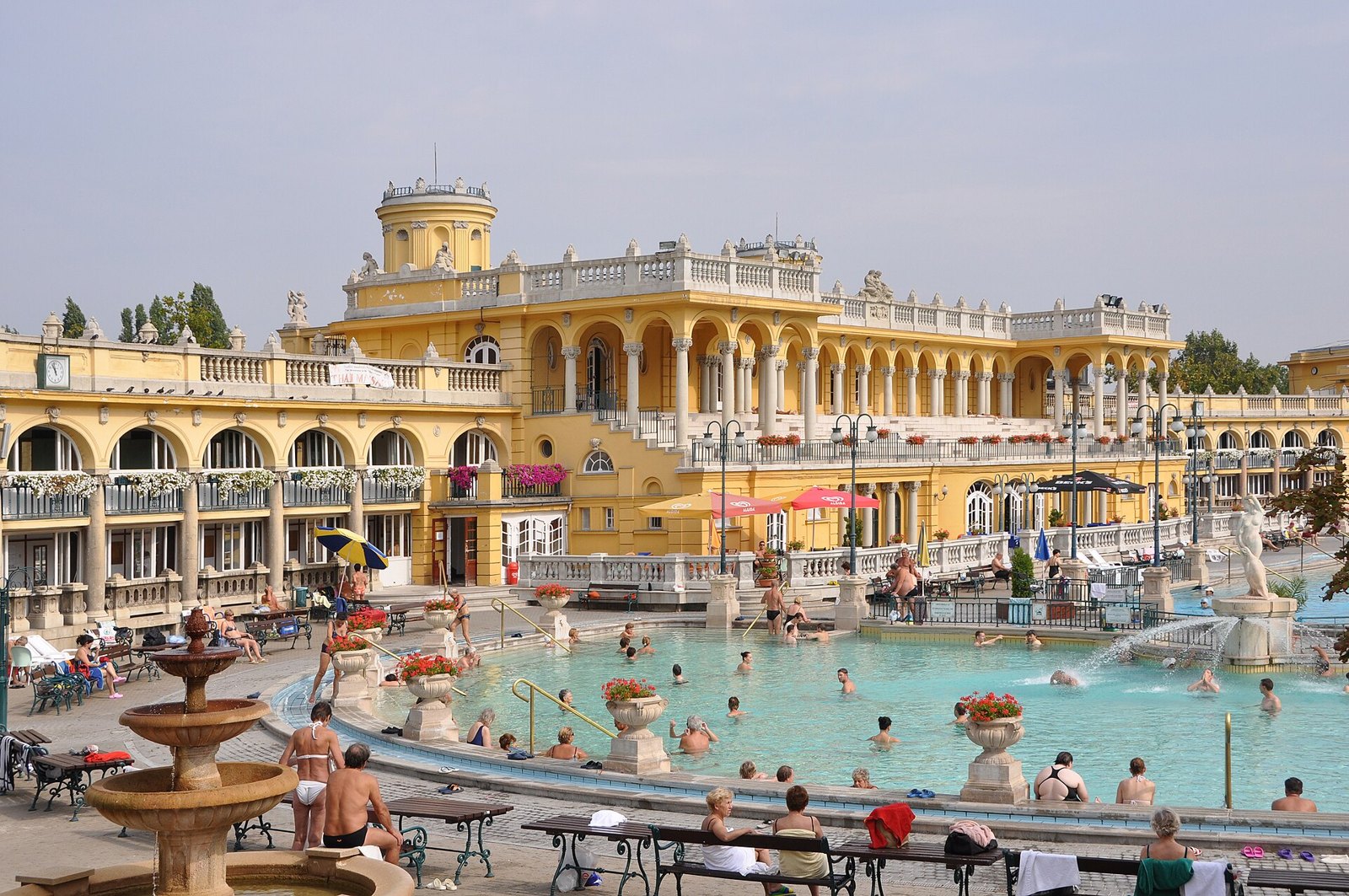

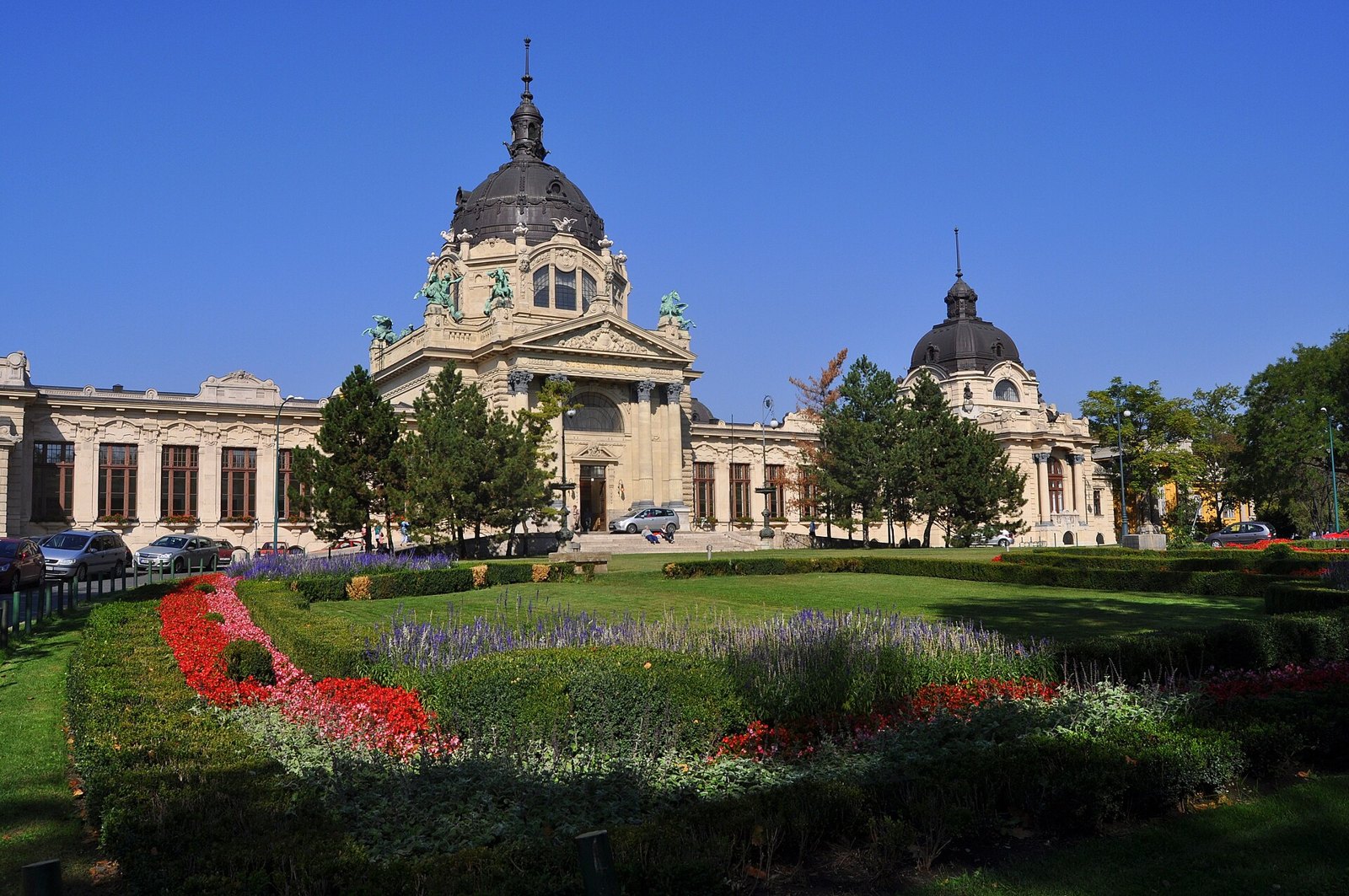

How do Széchenyi and Gellért route locker rows?
Both baths separate locker halls by sex, a layout common to Hungarian thermal baths generally. Cabins, by contrast, sit in mixed corridors closer to the pool entrances. A couple using lockers has to split up, walk to opposite ends of the changing hall, and meet again at the pool — a detour that guidebooks rarely mention, and one that can add five to ten minutes each way once the halls are busy.
That detour is why families with young children, and couples who want to keep sight of each other while changing, are the visitors a cabin most consistently helps. It is not a comfort upgrade. It is a workaround for a fixed piece of the building.
Current floor layouts and any seasonal changes to them are published by the baths themselves. Széchenyi’s own site is the place to check before a visit, not a secondhand summary.
What does a cabin cost, and how is that fare structured?
Neither bath prices a cabin as a flat add-on. The surcharge over a locker is set by the operator, Budapest’s municipal spa company, and it can vary by day of the week and by season. Weekday tickets and weekend tickets are commonly priced on separate scales at Hungarian baths generally, and cabin supplements sit on top of whichever scale applies that day.
Because that structure changes without much notice, this site will not print a number that could be eight months stale by the time it’s read. Check the current cabin surcharge on the bath’s own ticketing page before planning around it. Gellért publishes its own current tariff the same way, on its own site.
A broader look at how the two baths differ beyond changing arrangements — pool circuits, saunas, architecture — is covered in Széchenyi or Gellért: which bath suits your day.
Does anyone actually need a cabin?
No one strictly needs one. Thousands of visitors use lockers every day without incident. A cabin is a fix for a specific layout problem, not a baseline requirement. Solo visitors, and same-sex pairs who don’t mind splitting up briefly, generally lose nothing by skipping it.
The visitors who benefit are the ones the locker system’s sex-separated design doesn’t fit cleanly: mixed couples, families, and anyone assisting a person who needs help changing.
What should a first-time visitor actually do?
Decide based on who is in the changing party, not on budget alone. A cabin costs more than a locker, but the real trade is time and coordination, not just forints. For a solo visitor, that trade rarely pays off. For a mixed couple or a family, it usually does.
More on how Budapest’s bath system works more broadly — circuits, towel rules, and what a ticket actually covers — sits in the Thermal Baths & Spas archive, which collects the site’s other bath coverage.
For general planning context on Hungary’s tourism sector, the country’s official tourism board, Visit Hungary, publishes broader visitor guidance, though bath-specific detail belongs to the operators themselves.
Details on how this site sources and checks its claims are set out in the About page. What the site collects from readers browsing this article is covered in the privacy policy.
Both approaches — cabin and locker — get a bather into the same water. The only question is what happens on the way there, and back, through a building neither of them was allowed to build differently.
For a side-by-side comparison of the two baths’ layouts, the Széchenyi or Gellért guide is the fuller reference, and the baths archive covers other Budapest thermal complexes with the same locker-versus-cabin question.
Access Budapest is an independent guide written from published, checkable sources. We have not visited the places described here and we do not publish personal recommendations or invented ‘local favorites’ — where something is singled out as notable, we say who says so. Opening times, fares, closures and prices change at short notice, so treat everything here as a starting point and confirm with the museum, operator or venue directly before building a day around it. We give no advice on visas, insurance, health or safety; use your own government’s official guidance for those.
Featured image: Photo by Christo, source, CC BY-SA 4.0
