Are Budapest bath packages and massages worth paying extra for?
A bundled package is worth adding only when its price beats what the same entry, cabin and massage would cost bought one at a time — and only if you actually wanted every item in it. Cashiers almost never offer that comparison. Working it out takes under a minute. Doing it changes the answer at nearly every counter in the city.
What does a bath “package” actually bundle together?
A typical package combines an entrance ticket, a cabin instead of a locker, and one treatment — usually a massage, sometimes an underwater jet treatment or a mud pack. The operator sets a single price for the whole bundle.
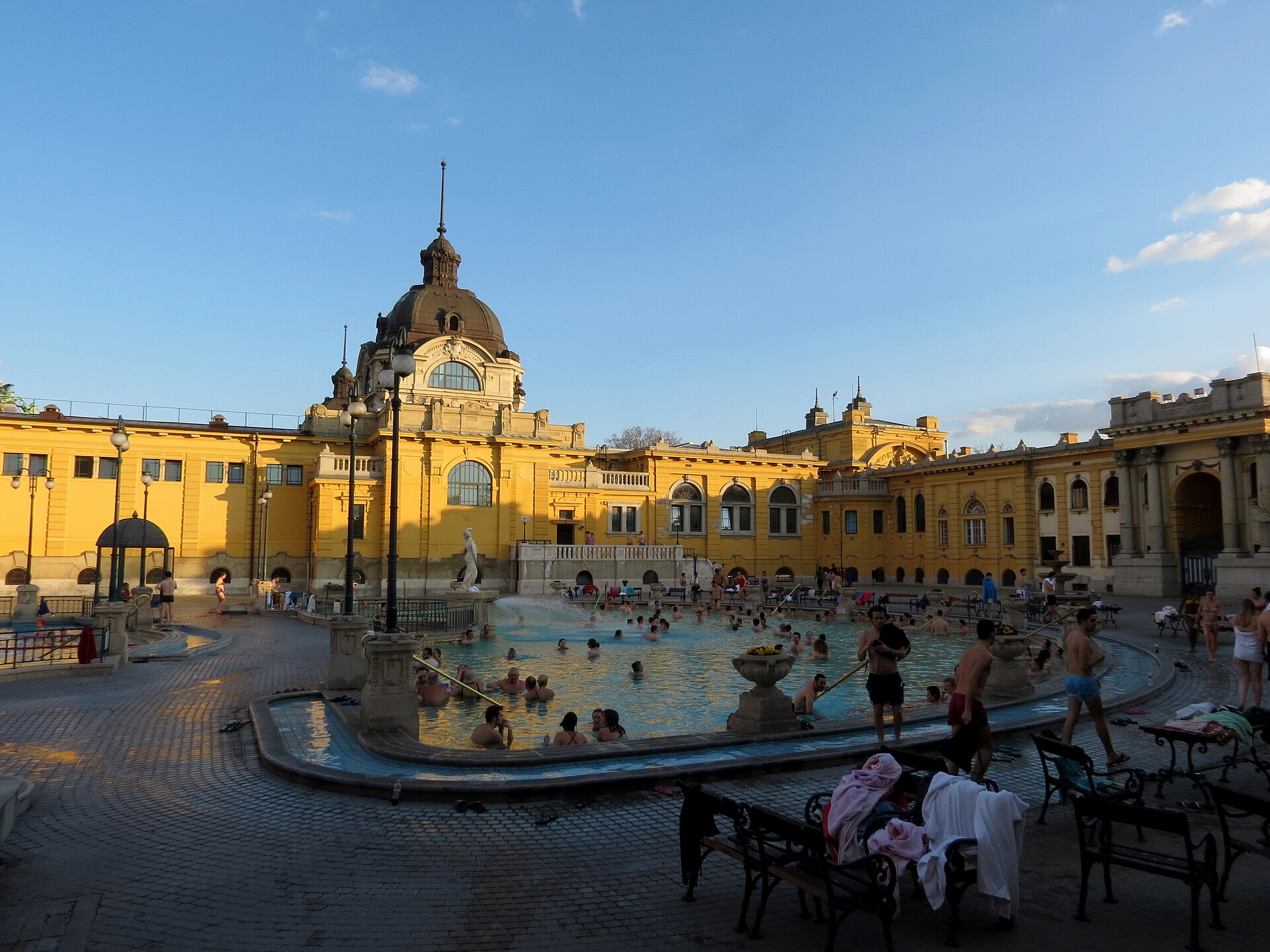
Each bath publishes that bundle price, and the standalone prices for entry, cabin and each treatment, on its own tariff page. Széchenyi Thermal Bath and Gellért Thermal Bath, both run by the same municipal operator, list their current packages this way. Check Széchenyi’s own site and Gellért’s own site before comparing anything below against a real number.
Massages are almost always sold in fixed time bands — commonly around 15, 25 and 45 minutes. A package usually locks you into one specific duration. That detail matters more than it sounds, because you pay for the duration whether you use all of it or not.
Robe and towel rental is sometimes folded into a package and sometimes not. It rarely changes the core arithmetic below, but it is worth reading off the same tariff sheet rather than assumed.
How do you work out whether the bundle beats buying separately?
The rule is arithmetic, not opinion. Add up the separate prices for entry, the cabin upgrade, and the massage duration you actually want. Compare that total to the package price on the same list.
- Entry with locker: a baseline price — call it E.
- Cabin upgrade over a locker: an added cost — call it C.
- Massage of the length you want, bought alone: call it M.
- Total if bought separately: E + C + M.
- Package price on the same tariff sheet: P.
If P is lower than E + C + M, the package saves money — but only for someone who wanted the cabin and that exact massage length anyway. If P is close to E + C + M, or higher, the package is functioning as an upsell, not a discount.
Weekend pricing usually raises E on its own, which can narrow or widen that gap. Why a Budapest bath costs more on a Saturday covers that layer separately, and it is worth checking both bands before booking a weekend package specifically.
_(13227882114).jpg)


What is the “package-only” quote, and why does it cost visitors money?
At a busy counter, a visitor who asks “how much for a massage” is often told only the all-in package figure. The cashier rarely volunteers the separate entry price, the cabin surcharge, or the massage price on its own. That is usually not dishonesty. It is just the fastest answer to give a queue.
But it means the visitor never sees the components to compare. A plain locker entry is almost always the cheapest way in. A cabin costs more than a locker — see what a cabin actually buys you over a locker for what that upgrade includes and doesn’t. Stack a massage onto the package rate, and the total can run higher than the same three items bought apart, especially if the package’s massage duration is longer than the one actually wanted.
The fix is direct. Ask for the entry price, the cabin price, and the massage price as three separate numbers before agreeing to a package. Most ticket desks will give all three if asked plainly, rather than assuming the package is the only route to a massage at all.
How is a medical massage priced differently from a spa massage?
Several Budapest baths run two separate tracks: a wellness menu open to any paying visitor, and a medical or therapeutic section, sometimes labeled “gyógyászati.”
Hungarian residents with a doctor’s referral can sometimes have part of a therapeutic treatment’s cost covered through the national health insurance system, administered by NEAK, the National Health Insurance Fund. That arrangement is statutory, its scope shifts with policy, and a resident should confirm current coverage directly with NEAK or the bath’s own medical desk — not from a travel article.
Visitors outside that system pay the standalone market rate for any massage, medical or wellness. The package arithmetic in this article applies to that visitor rate. The subsidized track runs on entirely separate rules.

Does the math change from one bath to another?
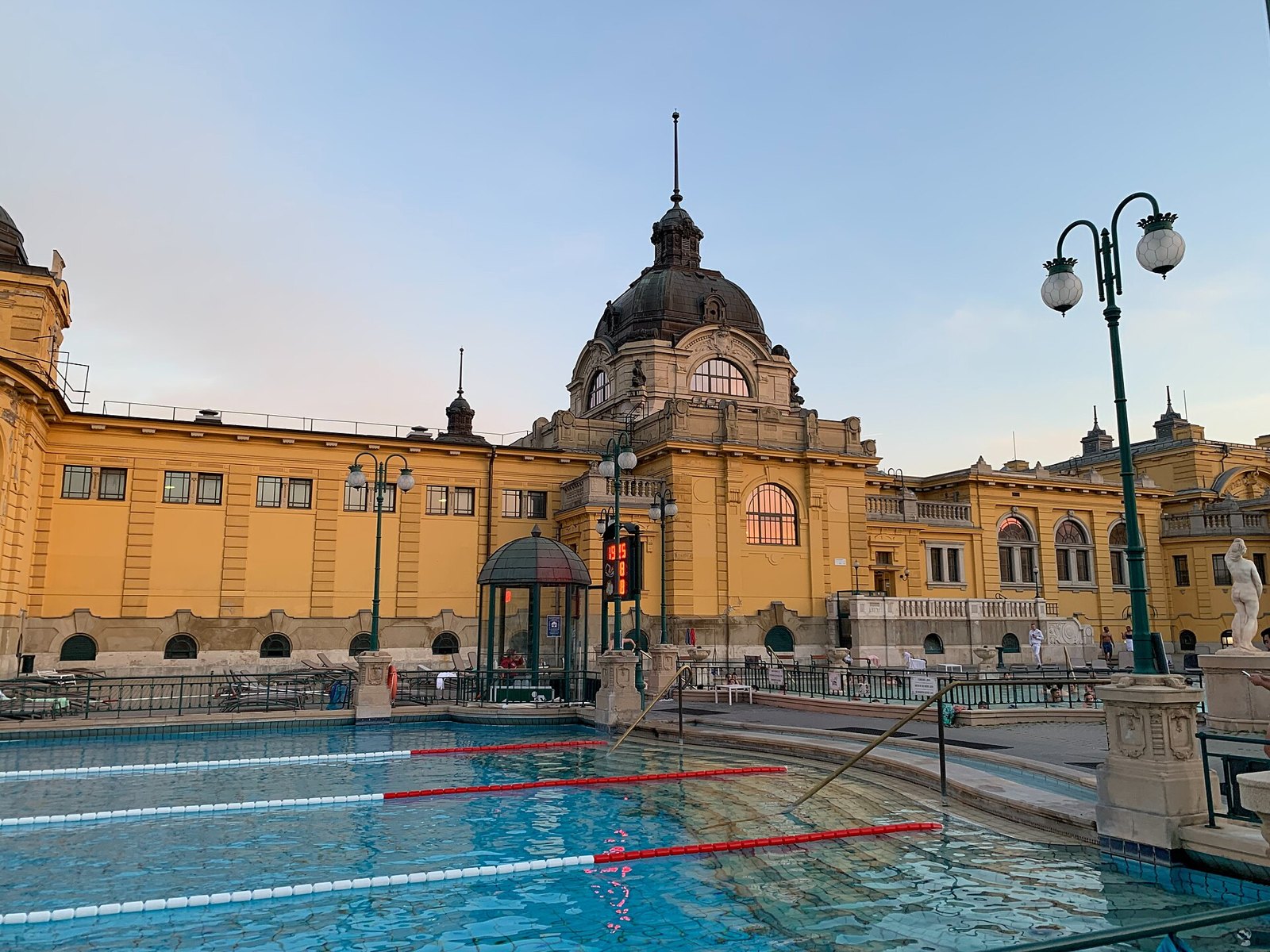
Yes. Széchenyi and Gellért are large, hotel-adjacent spa complexes with long treatment menus — several massage styles, mud treatments, and packages aimed squarely at day visitors. Comparing what a day at each actually involves is worth reading before deciding whether either is worth a package layer at all.
Rudas, Lukács and the smaller Veli Bej run shorter treatment lists. Going by their own published structures, they carry fewer bundled combinations to weigh against separate purchase. The quieter baths locals use explains how those three differ from the flagship pair, including for readers who visit often rather than once.
Which packages tend to make sense, and which don’t?
A few patterns hold across baths, based on how each publishes its own price list.
- If a massage was already planned, and its standalone price plus entry sits close to the package rate, the package is a reasonable convenience.
- If only the water was wanted, skip every package. Plain entry is cheaper, every time.
- If the package fixes a massage duration longer than wanted, those extra minutes are paid for and unused.
- Booking a package online in advance sometimes carries a different rate than the same package bought at the counter. The operator’s own site is the only reliable place to check which is lower.

What should a first-time visitor actually do at the counter?
Bring a plan, not just cash. Check the operator’s current tariff page before arriving. Note the separate prices for entry, cabin and the massage length wanted, and do the subtraction before joining the queue, not after.
Pack for the water itself as a separate question from pricing. What to actually bring to a Budapest thermal bath covers towels, swimwear and the flip-flops some baths do not rent. The wider thermal baths and spas archive holds the rest of this site’s bath-specific reporting.
None of this is based on a visit by Access Budapest’s writers. It is built from each operator’s own published tariff structure. How this site is written and checked explains that approach in full.
Access Budapest is an independent guide written from published, checkable sources. We have not visited the places described here and we do not publish personal recommendations or invented ‘local favorites’ — where something is singled out as notable, we say who says so. Opening times, fares, closures and prices change at short notice, so treat everything here as a starting point and confirm with the museum, operator or venue directly before building a day around it. We give no advice on visas, insurance, health or safety; use your own government’s official guidance for those.
Featured image: Photo by Random photos 1989, source, CC BY-SA 4.0
